
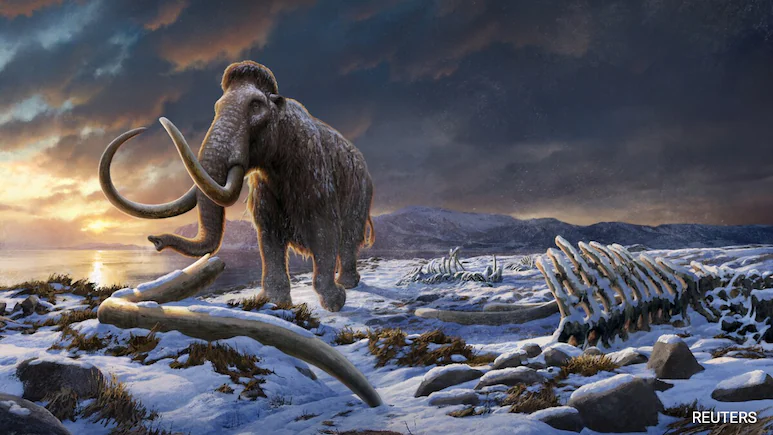
Scientists working to bring the woolly mammoth back from extinction have turned to artificial intelligence to overcome massive genetic challenges, pushing their target delivery date into the early 2030s. However, researchers discovered that engineering a living creature capable of surviving in freezing conditions is far more complex than initial models suggested. Biotechnology startup Colossal Biosciences originally planned to produce a mammoth-like elephant calf by 2028 using gene-editing techniques, according to a report by The New York Post.
Texan firm Colossal Biosciences announced that recreating the physical traits of the ancient beast requires altering more than 150 genes rather than the 60 initially planned.
As highlighted by The New York Post, Colossal Chief Executive Ben Lamm confirmed that AI has become essential to the project, though the added complexity means a firm birth date cannot yet be set. In detail reported by The New York Post, scientists believe the AI frameworks and genetic breakthroughs developed during this project will offer huge benefits beyond de-extinction, including new tools for endangered elephant conservation and advancements in human medicine. To solve this massive biological puzzle, the team is now deploying advanced deep-learning AI systems alongside CRISPR gene-editing tools. The artificial intelligence algorithms rapidly screen millions of genetic combinations to predict how multiple gene alterations will work together, helping to prevent dangerous birth defects in modified embryos. Researchers emphasise that the project will not create an exact genetic clone of the extinct creature. Instead, the team aims to breed a cold-tolerant Asian elephant hybrid that can thrive in Arctic temperatures and help revive shrinking tundra ecosystems.
Early plans required around 60 genetic changes to the Asian elephant, which is the closest living relative of the mammoth and shares 99.6 per cent of its DNA. Further genomic mapping revealed that replicating distinct features such as shaggy fur, domed skulls, smaller ears, and cold-adapted fat stores actually requires editing more than 150 genes.
The timeline adjustment comes after earlier successful trials, which included engineering “woolly mice” with mammoth-like fur traits.
