
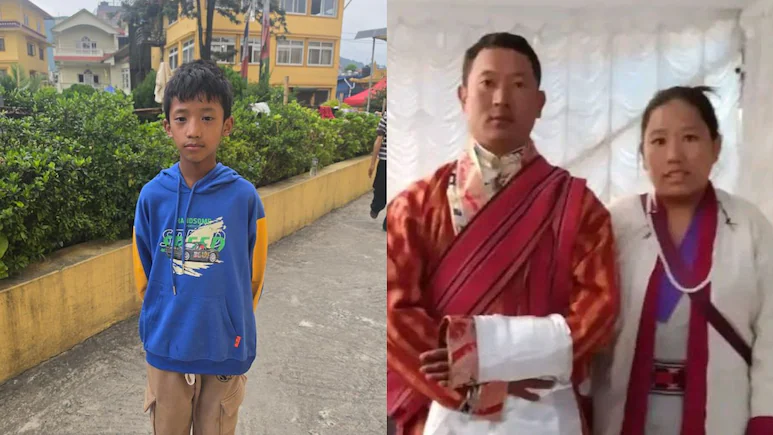
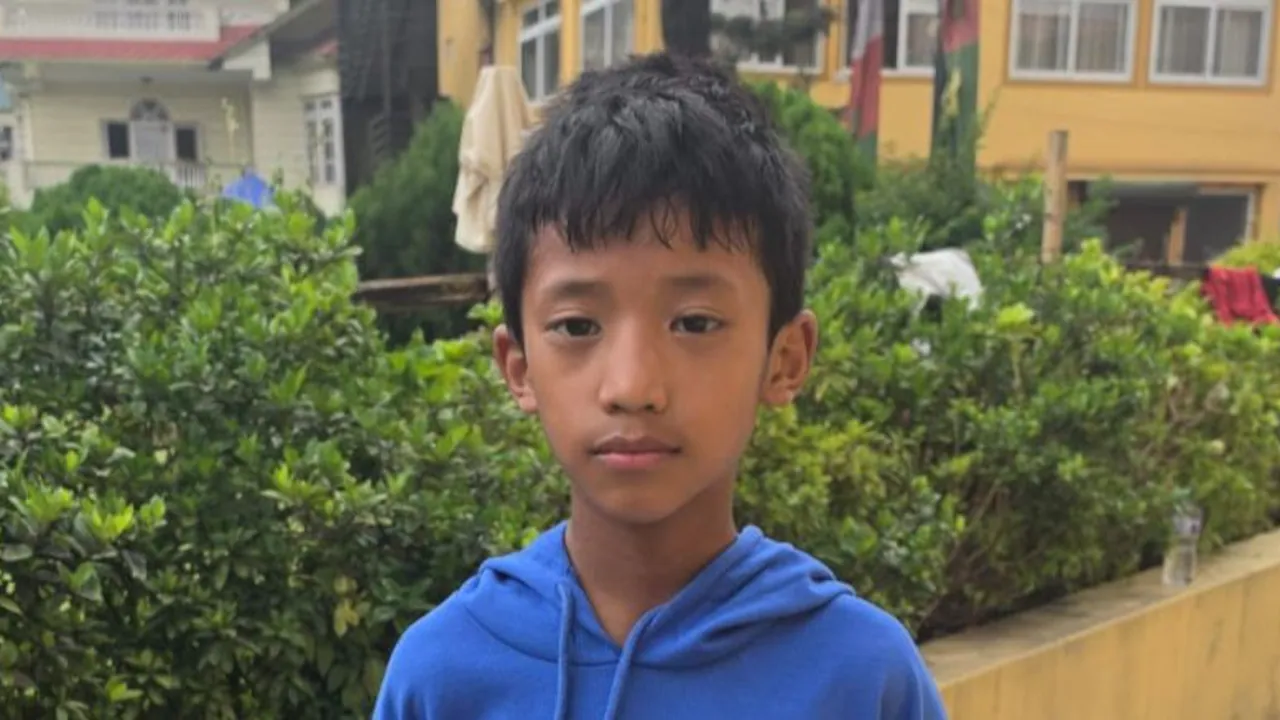
He looks straight into the camera lens, curious about the equipment and the people gathered around him, wondering why they have stopped to film him. Tsering is 12 years old.
For a while, the monastery becomes less about what has been lost and more about what children naturally do. He does not know what everyone else in the room already knows. Tsering’s mother was Kammi. His father was Fursang. Both of them are dead. They play, laugh, occupy themselves with whatever is in front of them, and for those few minutes, the memory of the floods recedes from view. They are simply children. The play does not undo what has happened. It gives them a brief reprieve from it. It was where they built their lives, managed their expenses and raised their children. He stopped his motorcycle and looked towards the village. His mother, his elder brother and his eldest daughter were all at home. She hesitated, and he pushed her towards safety. She reached a place the water could not reach, then turned back. The house was gone. So were her grandmother and her uncle. Shyam’s wife and children are now with him at the monastery. His mother and brother are not. Shyam Bahadur’s mother and brother. Bujung was away when it happened. He tried to get back but could not make contact, since there was no electricity in the village and no mobile network. He spent hours waiting for news, unable to reach anyone. Bujung is a volunteer at the monastery. Now he sees the same grief around him at the monastery. But when they are alone, the grief returns. They cry. They miss their families. They miss their villages. “Even me also, I really miss my family. Then there are the photographs. Bujung begins laying them across a table, one after another. Some are of people he knew, from his village, people he grew up with. But the photographs are not only his. They also belong to other survivors living at the monastery: photographs of mothers and fathers, children, brothers and sisters, spouses and friends. The faces accumulate until there is barely any space left. Then the table runs out of room. The table is too small for the loss. The numbers are immense. But numbers cannot convey the particularity of a loss. A photograph can. Each face represents a life that once occupied a place in someone else’s world. A mother, a brother, a child. Each absence has changed the shape of a family. Inside the dormitory is one large hall filled with rows of bunk beds, temporary sleeping spaces for people who once had rooms and homes of their own. Bags, blankets and a few possessions are gathered around them, the things people managed to carry or were given after arriving here. For many, this is now their private space within a vast communal hall. Look across the dormitory, and the scale of the disaster becomes clear. Each bunk belongs to someone who once had a home, a kitchen, a village and a familiar life around them. Now they sleep here, one above another, waiting for a future they cannot yet see. By evening, the monastery changes. The children have tired themselves out. Families return to their sleeping spaces, carrying with them whatever they have managed to hold on to through another day. Some have photographs. Some have a phone that might still ring with news. Some have nothing but memory.
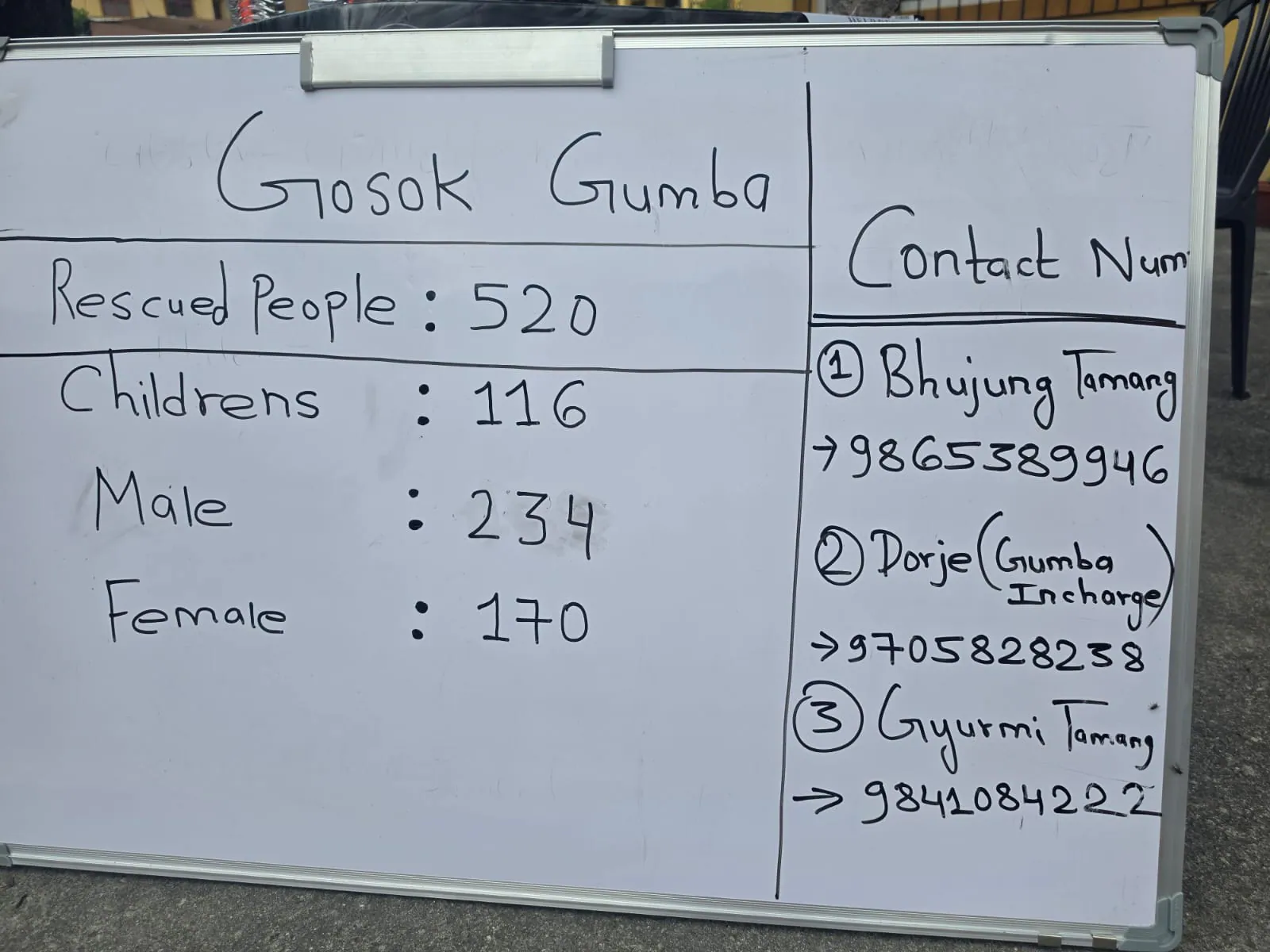
Tsering is living with his grand-aunt, Mingmar Dolma, and his father’s mother in Kathmandu, one of hundreds of people displaced from Rasuwa after flash floods tore through their communities on August 26. The disaster, triggered when a mass of glacial ice and rock broke away near the Nepal-Tibet border and surged down the river valley, has killed more than 1,300 people in Nepal alone, with thousands still missing and entire settlements wiped off the map. Tsering is 12 years old. Shyam Bahadur Tamang, 40, had lived in his family home for about 35 years, along with his wife and children. On 26 August, Shyam was travelling towards his village when he received a call warning that a flash flood was coming and that he should save his family. Shyam Bahadur Tamang, 40, had lived in his family home for about 35 years. More than 50 people lost from Bujung’s extended family and community alone. About 520 survivors now living at the monastery.
Tsering has not been told. By then, he says, everything was being destroyed. When his brother saw the flood approaching, he told her to run. Shyam says his brother had stayed behind with their mother. “Which son would leave his mother?” he says. During the day, Bujung says, people sit together and talk, and seeing one another gives them some comfort. I really miss my village, my hometown,” Bujung says. And sometimes, what is missing from a bed says as much as the person sleeping in it.
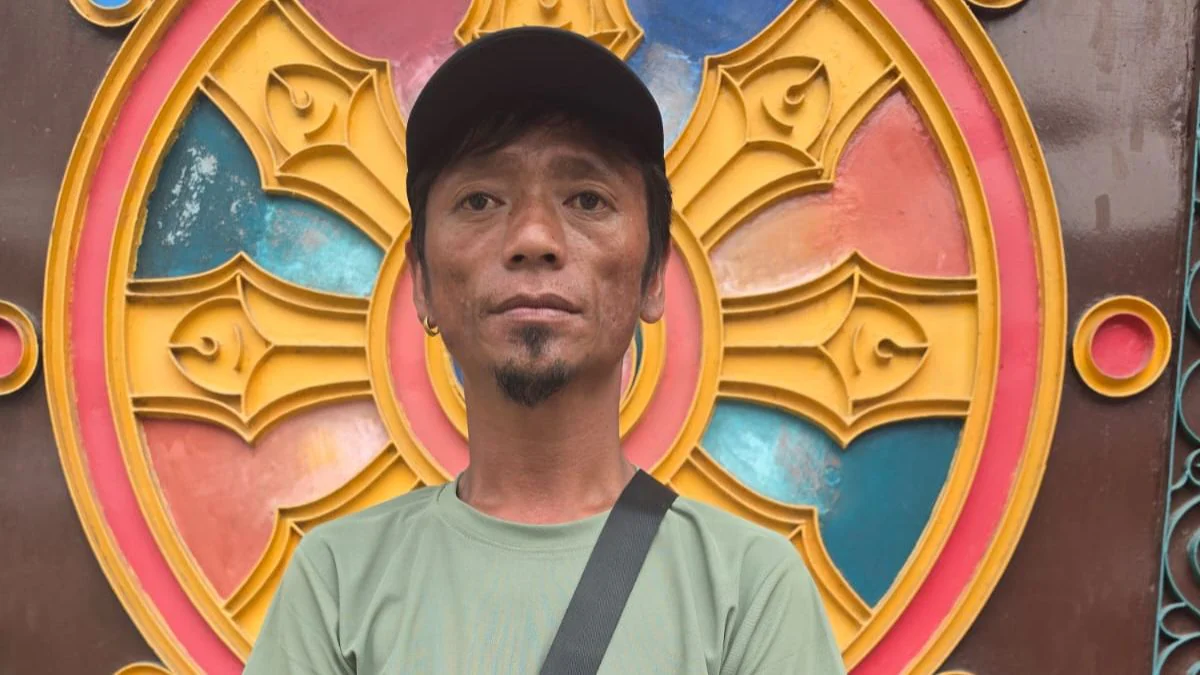
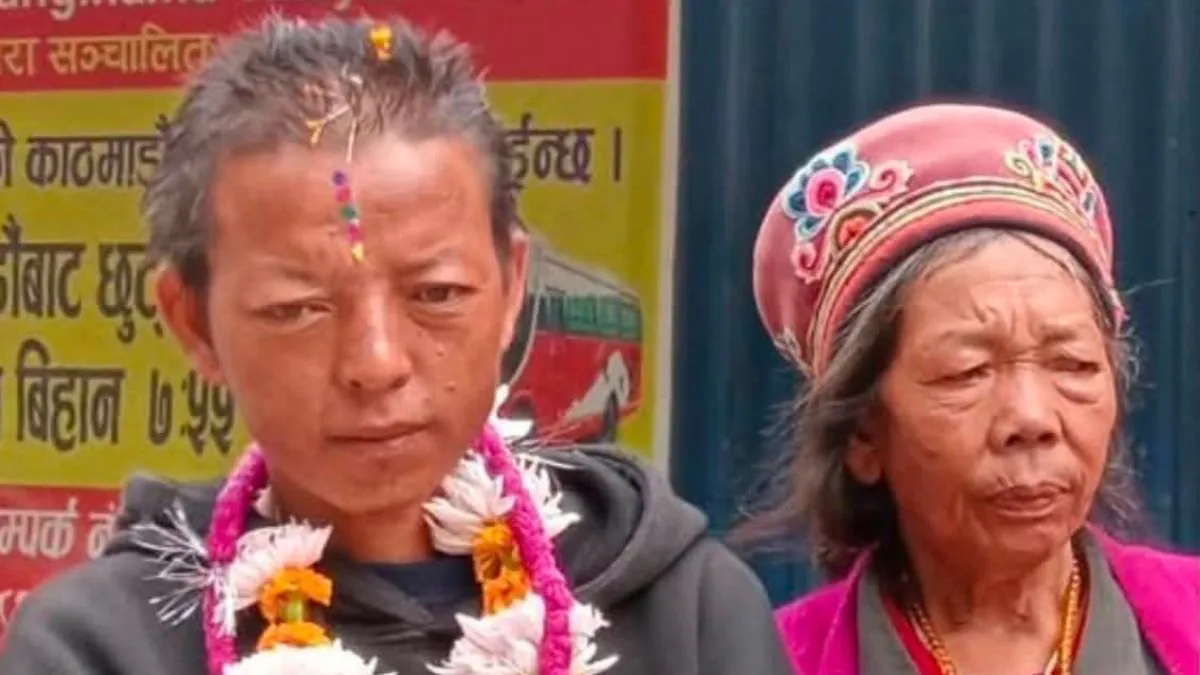
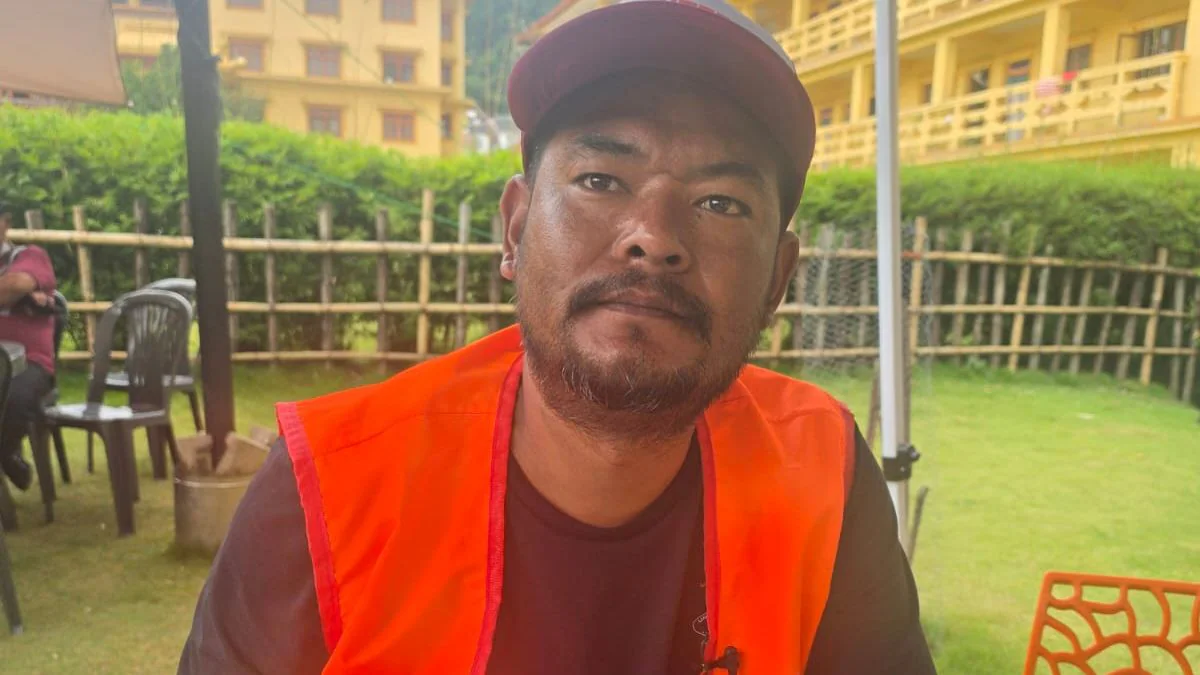
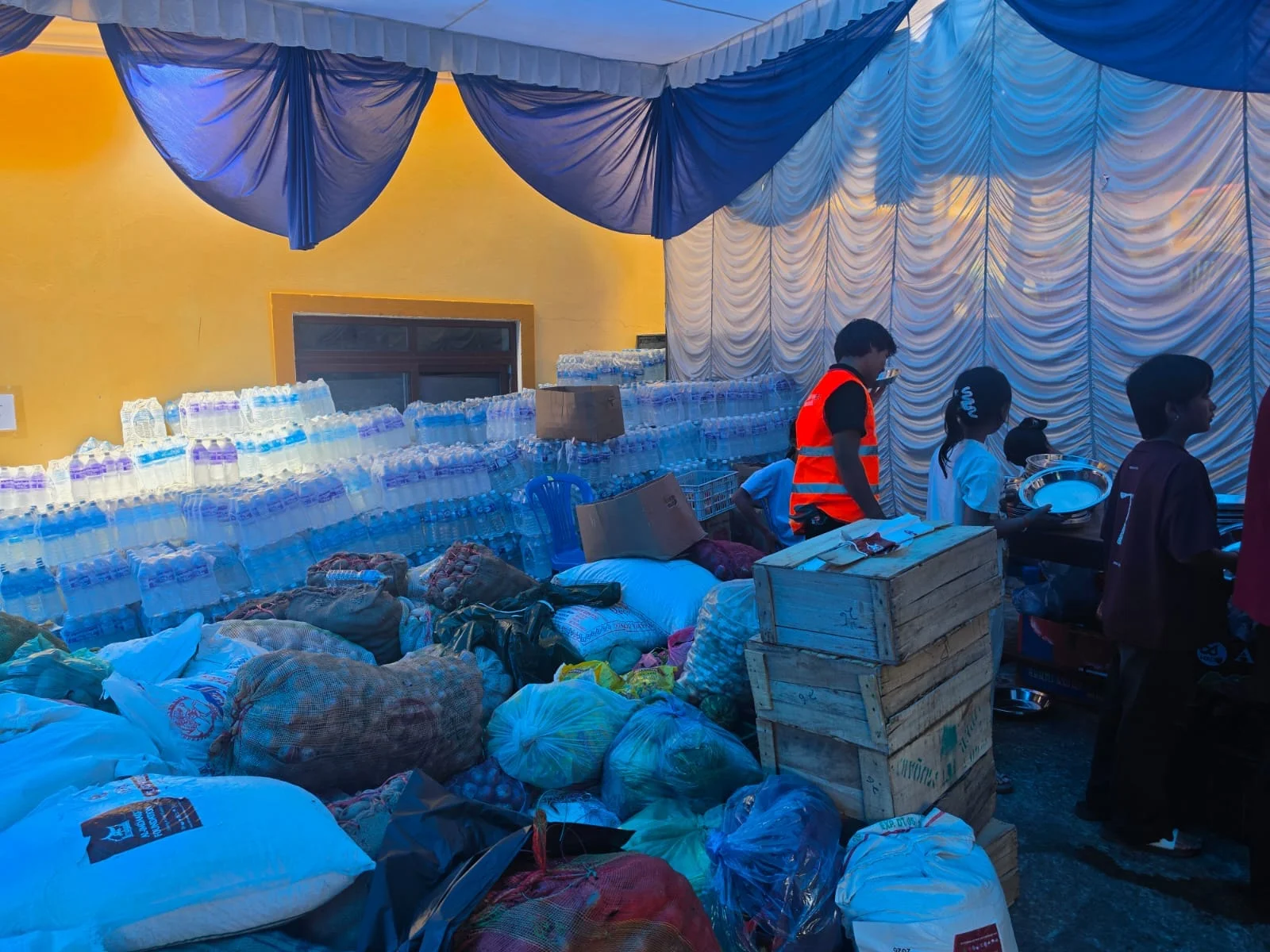
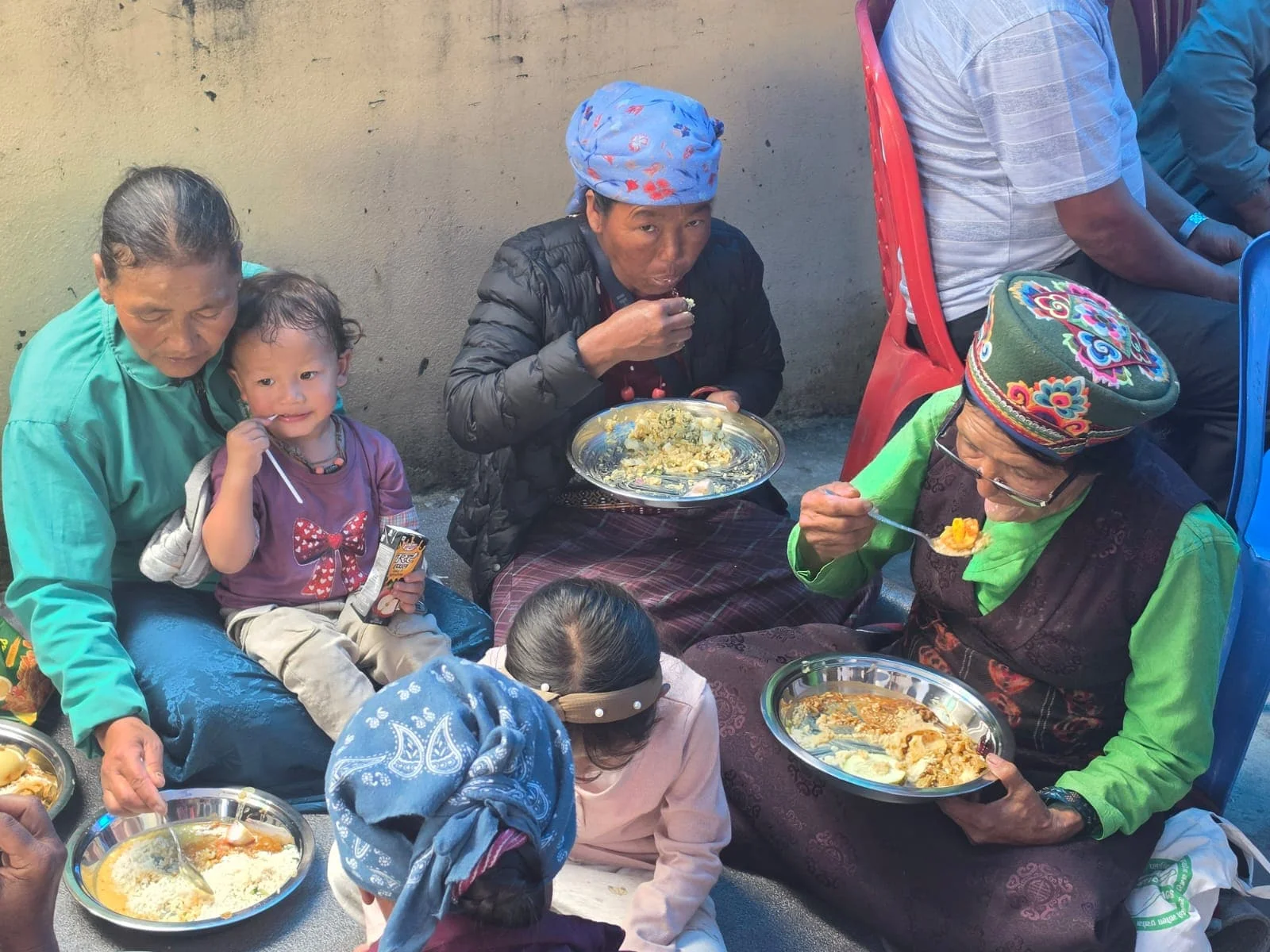
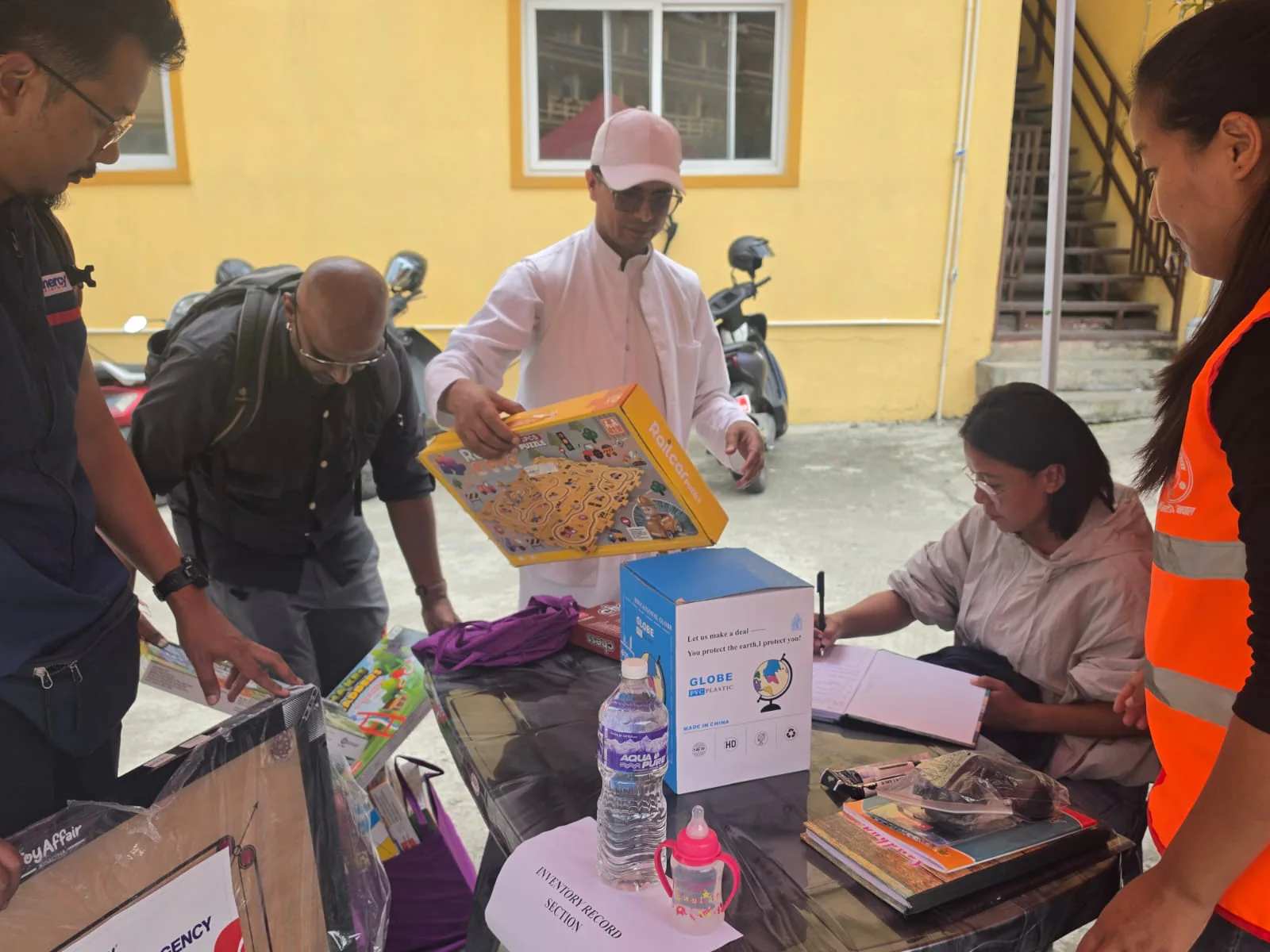
Even when nobody is speaking, there is a sense of what has been lost and of the lives left behind. There are many families here in the same position, having lost their homes, their livelihoods and the structures that once held their lives together. The roads have been destroyed, they say, and it could take a year or two before they can return. He believes them. Sometimes, when he sees the adults around him crying, he asks why, and sometimes he cries too. NDTV Special: A Himalayan Time Bomb Is Ticking Mingmar knows the truth. Tsering does not. For now, he is still waiting for them to come home. The grief here is difficult to escape. It sits in the conversations between survivors, in the elderly sitting together, and in parents watching over their children. An information centre records the names of those who have arrived. Yet this is also a place where daily life has had to be rebuilt from scratch. At the entrance, an information centre records the names of those who have arrived, a list that may one day help families searching for missing relatives. Further inside, medical staff attend to residents, and there are bathrooms and a communal dining area where elderly people, parents and children gather for meals, sitting on plastic chairs or on the floor. A community kitchen prepares food for the hundreds living here. Between the dormitory and the dining area, sacks of grain, vegetables, crates of supplies and bottled water are stacked ready for distribution. For the children, there are small pockets of ordinary life. A trampoline. A football. Small tents set up for the younger ones, filled with building blocks, toys and games. Older children run around and play while the smaller ones sit inside the tents, absorbed in their own world. Man donating board games for children. Many people were killed. Where will the money come from? They ate, managed their expenses and educated their children. They have to begin again. Bujung is a volunteer at the monastery, helping people who survived the floods. He is also carrying the loss of his own community. When the flood came, it tore through that entire network.
About 520 people from Rasuwa are now living at a monastery in Kathmandu, having arrived after the floods destroyed their homes and communities and damaged the roads and bridges. The family home that had stood for 35 years is gone, along with three settlements, the village below and the local market. He lost more than 50 people from his extended family, his village and among his friends. His village had around 43 houses, but the families were connected across generations, through fathers, brothers, uncles, aunts, cousins and in-laws.
Instead, the adults looking after him have told him that his parents are somewhere in the forest. When he asks about his parents, he is told they have gone into the forest, and there is still no way to reach them. “His parents are no longer in this world,” she says. Asked what it will mean to return, Shyam says, “How will we build? Before the flood, he says, his family lived within its means. Now, he says, “We have come down to zero.
In Nepal, A 12-Year-Old Boy Is Waiting For Parents Who Will Never Come Home
Outside, Kathmandu continues around the monastery. There is no village here, no familiar mountain road, no family home to return to. Only this monastery, holding them for now, and the waiting. For some, it is waiting for a home. For some, for a road to reopen. For some, for news.
Inside, 520 people are suspended between the lives they lost and whatever comes next. And for one 12-year-old boy, it is waiting for two people who will never walk through the door.
