Oil exports through the Strait of Hormuz are on the rise, according to an analysis by NDTV Datafy based on satellite imagery. This increase comes despite escalating conflicts in the Middle East, which pose risks of further disruption to the global energy market. The situation remains fluid as geopolitical tensions could impact supply chains and oil prices worldwide.
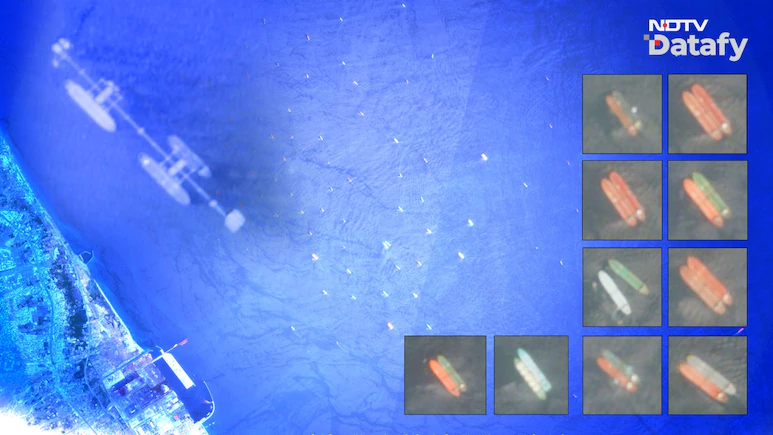
Global oil stocks have depleted, a large part of Gulf production remains shut, and alternative export routes are coming under attack. But amid this turmoil, more oil appears to be moving through the Strait of Hormuz. Satellite imagery analysed by NDTV Datafy shows that major oil export terminals in the Persian Gulf have loaded an increasing number of tankers since July. The terminals monitored include Ras Tanura and Al Jubail in Saudi Arabia, Mina Abdulla, Mina Al-Ahmadi and Mina Saud in Kuwait, Al Basra in Iraq, and Ruwais in the UAE. Only Suezmax tankers and Very Large Crude Carriers, or VLCCs, have been counted in this analysis.
Brent crude prices have crossed $108 per barrel as a new conflict between Saudi Arabia and Yemen’s Iran-backed Houthis adds to instability in the oil-exporting Gulf region.
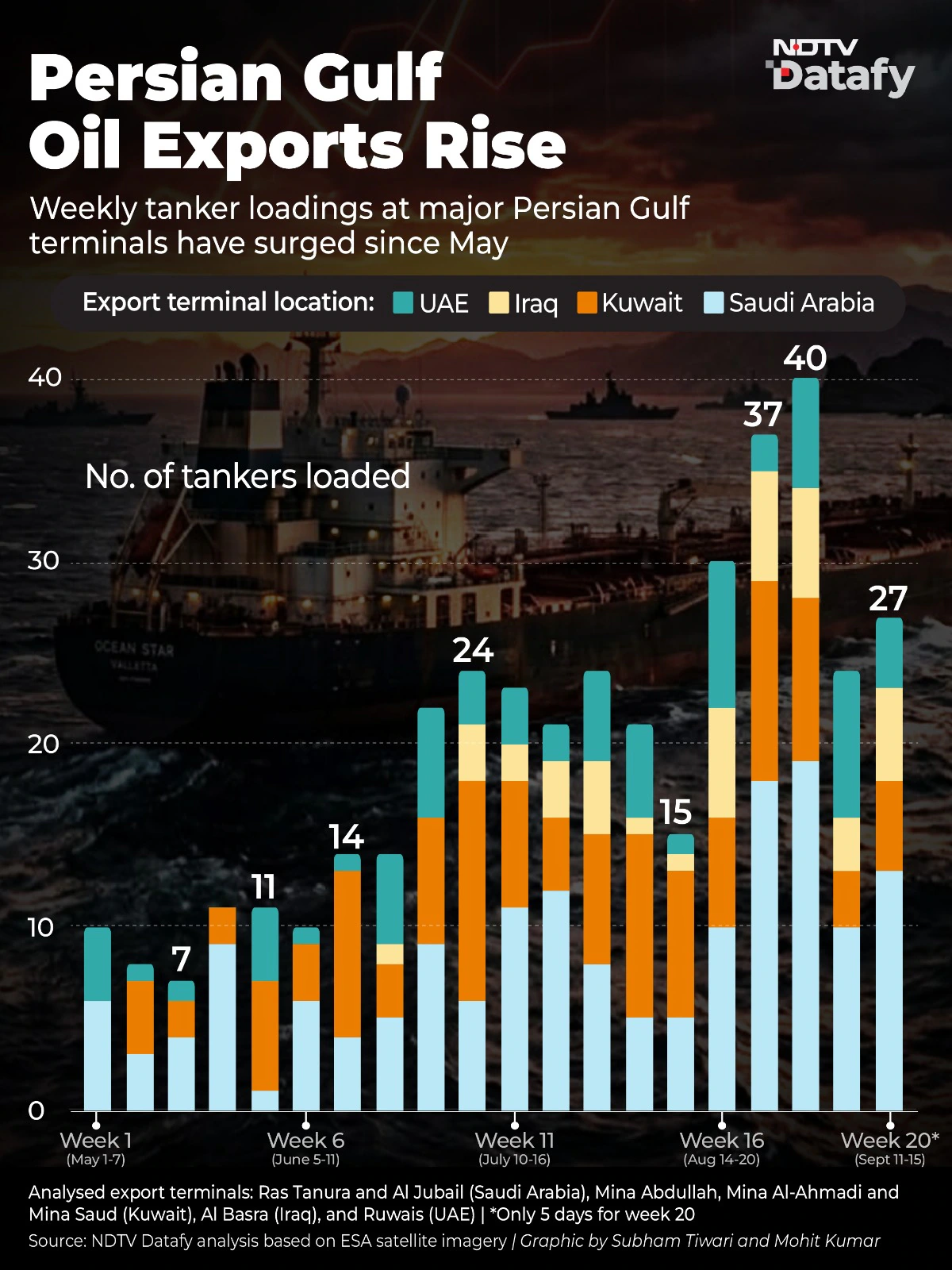
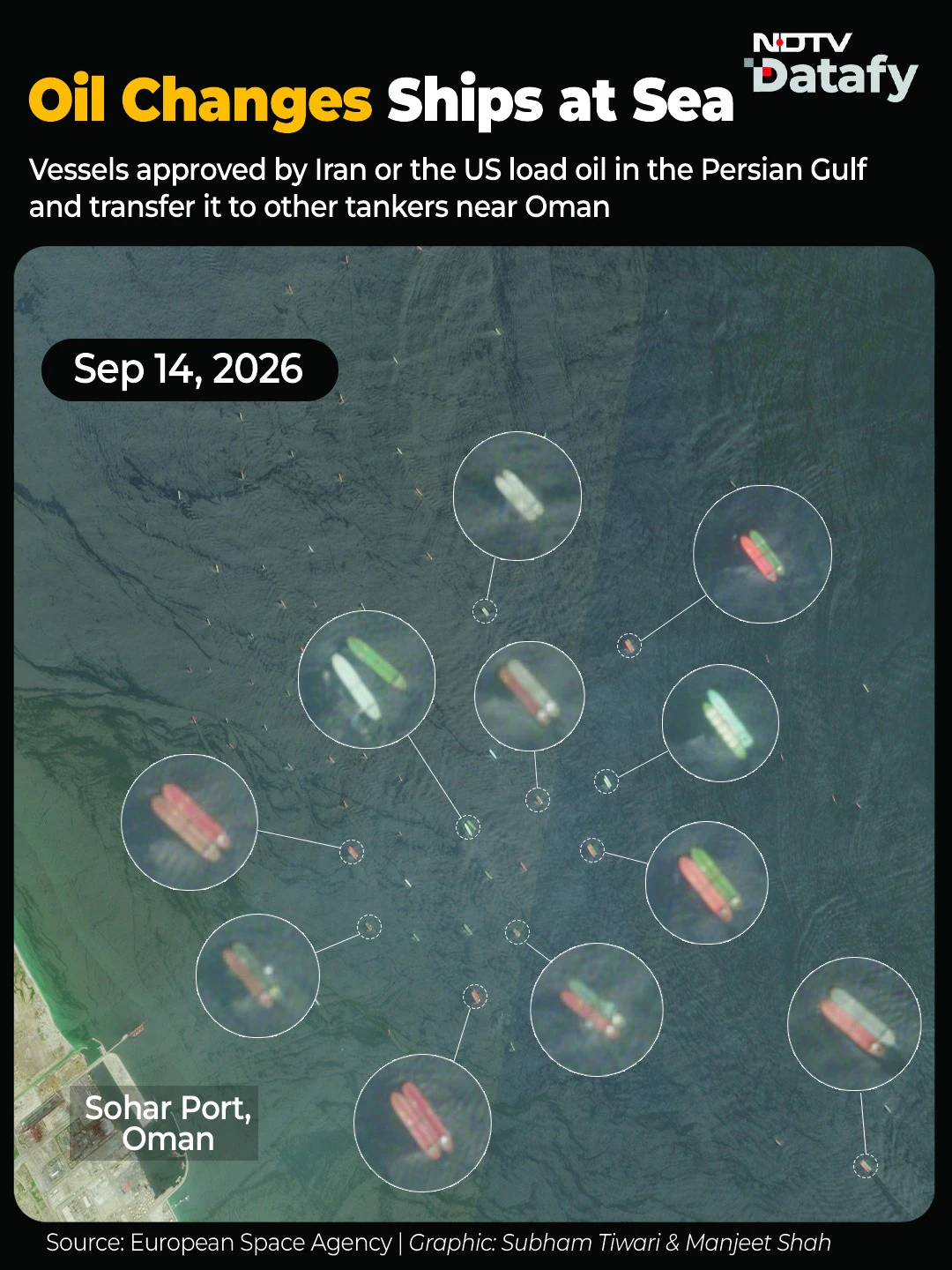
A VLCC can transport approximately two million barrels of crude oil when fully loaded. The rising number of tankers loading oil at Persian Gulf terminals suggests that more crude could be passing through the Strait of Hormuz than indicated by publicly available shipping data. Global organisations and energy intelligence firms largely rely on signals relayed by tankers through the Automatic Identification System (AIS) to determine whether vessels have crossed the strait. But only a limited number of vessels are making the transit with their AIS signals switched on, apparently to conceal their movements from Iranian forces. Satellite imagery provides another way of identifying these movements. Saudi Arabia has offered more ship-to-ship transfer of oil to Asia buyers. Under this practice, tankers with prior permission from either the US or Iran load at terminals in the Persian Gulf and transfer the cargo to other vessels that don’t have such permission off the coast of Oman. The transit through the Strait of Hormuz is often made by state-owned tankers. The movement suggests that Iran’s ability to control shipping through the strait has weakened in recent weeks. Iran has attacked ships in the Strait of Hormuz to pressurise the US into making concessions related to the war. But the destruction of Iranian coastal radars, military facilities and other infrastructure appears to have reduced its ability to monitor and disrupt tanker movements. At the same time, the US Navy has expanded its presence in the area and is patrolling the waterway. US forces have been escorting ships through an UN-authorised shipping channel close to the Omani coastline, a route that Iran vehemently opposes. The developments have created an unusual situation in the Persian Gulf. Iran’s own maritime oil exports have been severely curtailed by the US blockade, while tankers carrying oil from other Gulf producers are increasingly moving through Hormuz under US protection. Satellite imagery shows that Iran has hardly loaded any tankers at Kharg Island, its primary crude oil export hub. In contrast, loading activity at major terminals operated by Saudi Arabia, Kuwait, Iraq and the UAE has increased. The supply losses, combined with attacks on energy infrastructure and uncertainty over major shipping routes, have pushed oil prices to a four-month high.
Because the analysis does not cover every loading point in the Persian Gulf, the actual volume could be higher. As a result, assessments based primarily on AIS data may not capture the full volume of oil moving through the waterway. Assuming that the tankers were loaded to their full capacity, our analysis suggests that an average of nearly 9 million barrels of crude oil were loaded daily at the seven export terminals monitored in August. At least 40 tankers were loaded at these ports in the week ending August 27, the highest weekly number recorded during the period analysed. On September 14, Wright said an average of 10 million barrels of oil had flowed through the Strait of Hormuz each day over the previous week. He said energy flows had recovered to at least two-thirds of their pre-war level of about 20 million barrels per day. An image captured on September 14 showed a large tanker crossing through an area that Iran has designated as dangerous and where it has threatened to attack ships. The International Energy Agency said more than 10 million barrels per day of Gulf production remained shut during August.
TankerTrackers said satellite images showed oil and gas tankers passing through the strait during the daytime.
The broader trend is consistent with figures cited by US Energy Secretary Chris Wright earlier this week.
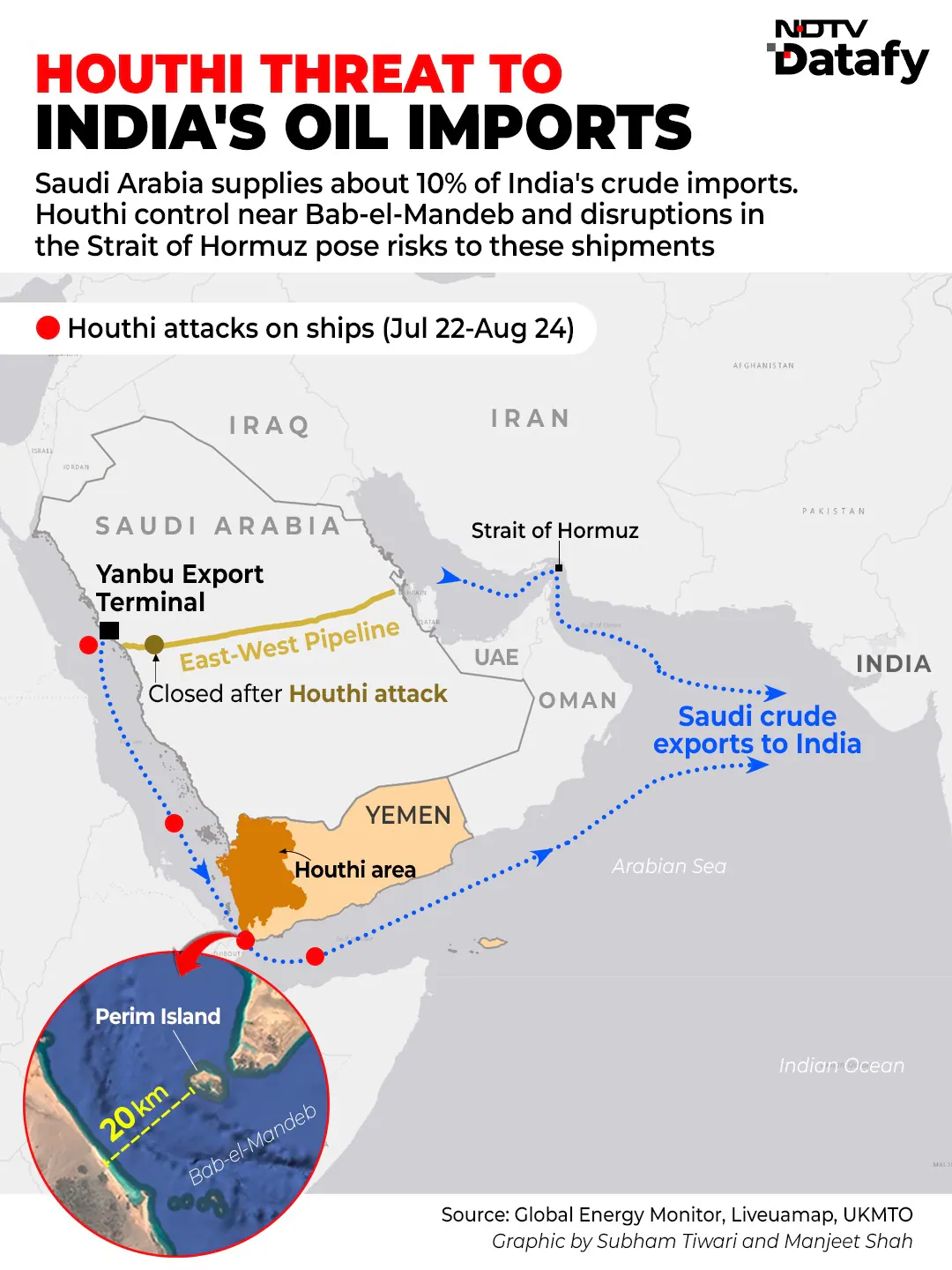
Last week, Yemen’s Houthi rebels attacked Saudi Arabia’s East-West Oil Pipeline, which the country had been using heavily to move crude to the Red Sea port of Yanbu. The attack resulted in the closure of the pipeline, which had been carrying an amount equivalent to around four per cent of global oil supplies. Experts estimate that Saudi Arabia could need six to eight weeks to repair the pipeline, provided there are no further attacks. The Houthis have also captured a key port and a strategic island near the Bab el-Mandeb Strait at the mouth of the Red Sea. The advances have raised fears that the group could further disrupt traffic through the Red Sea, affecting energy supplies bound for Asia and Europe. These developments have increased the importance of the Strait of Hormuz. With Saudi Arabia’s alternative route to the Red Sea disrupted and Iranian exports constrained by the US blockade, the recovery of tanker traffic through Hormuz is providing some relief to an increasingly strained global oil market.
Because other oil-export routes in the region are facing growing threats, upheaval In The Energy Market The recovery in Hormuz traffic is particularly important.