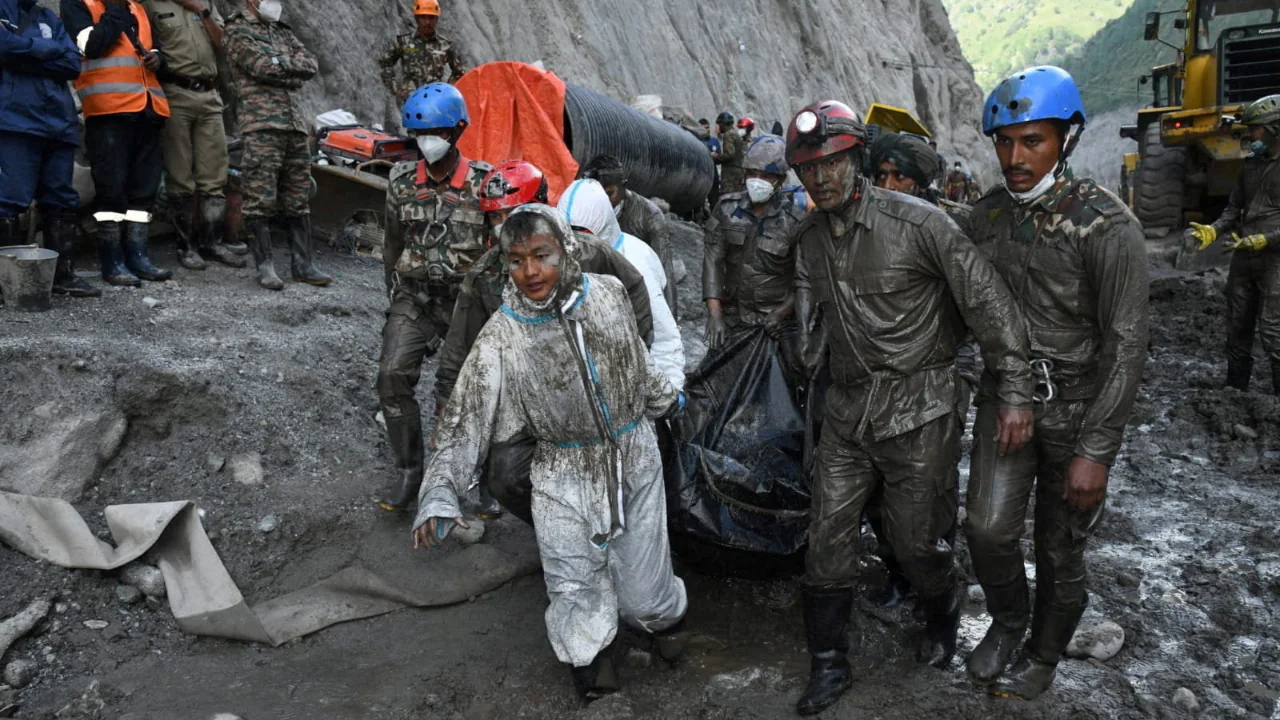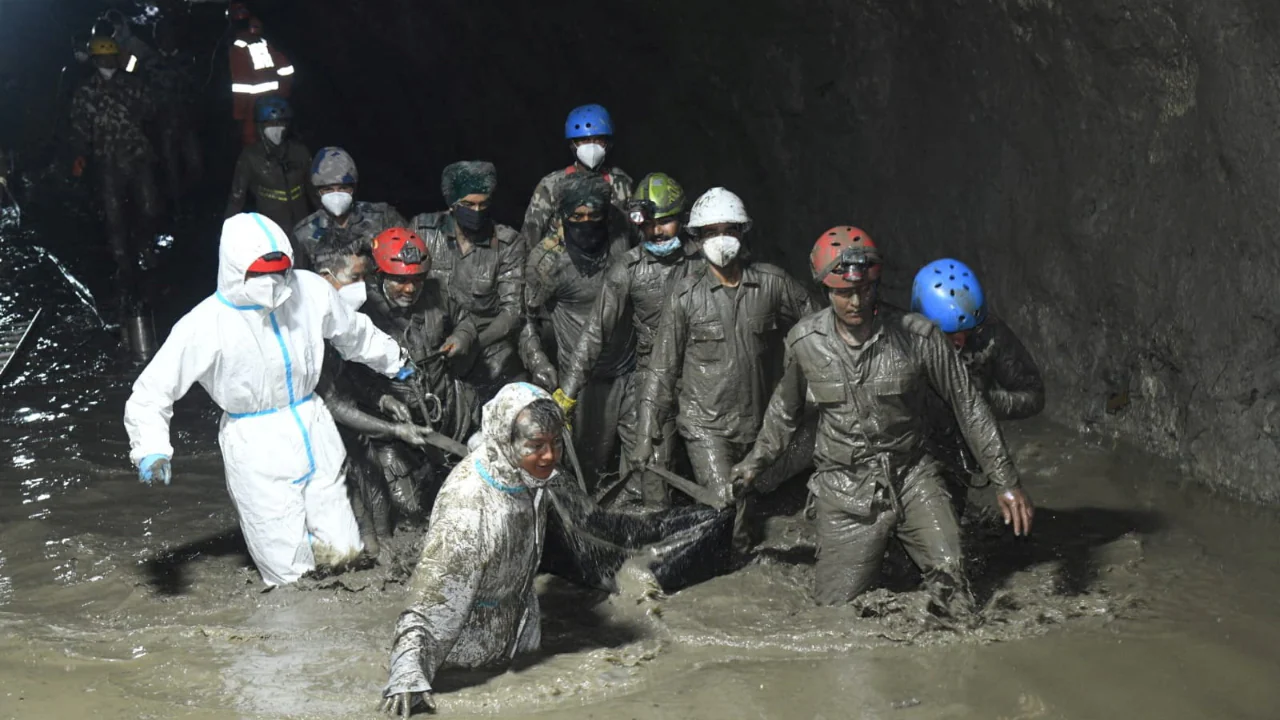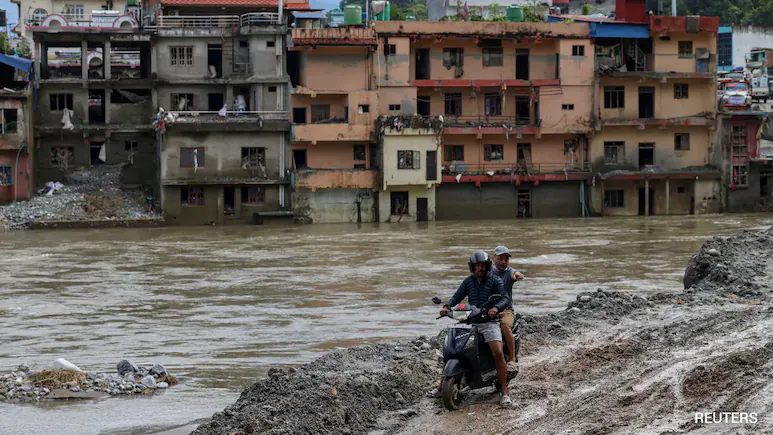
Climate change is highly likely to have contributed to the catastrophic glacier collapse that flooded parts of Nepal and Tibet in late August, killing around 1,400 people and leaving thousands still missing, scientists said on Thursday.
A 7.8 magnitude earthquake that hit the same mountain in 2015 could have played a role by weakening the underlying bedrock as well, but its precise impact is unclear.
soaring temperatures created the preconditions that made it more likely, researchers involved in the study said While it is difficult to ascertain the precise role played by climate change in the collapse of around 2 sq km (0.8 sq miles) of rock wall and glacier ice on the Langtang Lirung mountain last month. The study said mean temperatures were around 5 degrees Celsius (9 degrees Fahrenheit) higher than normal in the Himalayan region in August, with 1.5 C of the increase coming from climate change.
Rapidly warming temperatures in the region have caused glaciers to thin and have melted ice and permafrost buried deep in the bedrock of the Himalayas, according to the World Weather Attribution (WWA) group of researchers. “There’s absolutely no doubt that human induced climate change played a role here in the preconditioning of the disaster through permafrost thawing, through thinning of the glaciers, through having more rainfall instead of snow,” said Friederike Otto, a climatologist at Imperial College London. WWA uses peer-reviewed methods to assess the role played by global warming in extreme weather events, according to its website.