
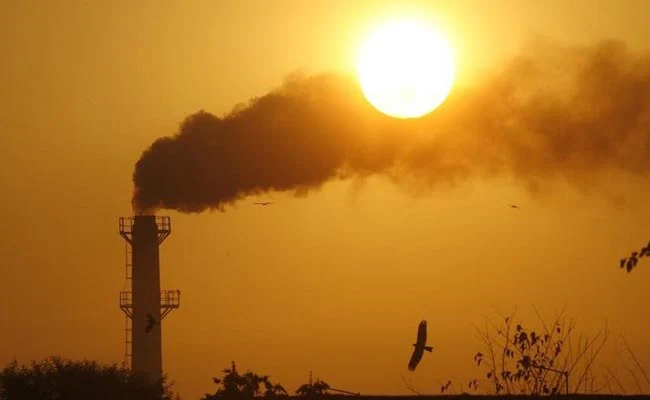
A new report from the United Nations Environment Programme (UNEP) indicates that the planet is on track to exceed the critical 1.5 degree Celsius limit set by the Paris Agreement within the next few years. This alarming prediction underscores the urgent need for global action to combat climate change and mitigate its impacts.
Across the globe, extreme heatwaves are already proving that climate impacts will strike faster, hit harder, and last longer – costing more lives and causing deeper disruption, now is the time we must double down on climate action. We can – and must – get on the right path. Other risks and impacts include faster sea-level rise, a higher likelihood of collapse of ecosystems such as coral reefs, more extreme heat and wildfires. There is also a higher risk of irreversible tipping points to global systems such as the West Antarctic and Greenland ice sheets, the Atlantic Meridional Overturning Circulation (AMOC) and the Amazon rainforest – which would reshape the world forever. it is still possible to bring temperatures down and achieve global goals in the Paris Agreement, the UNEP has stressed While there are uncertainties around the timings and strength of these impacts and tipping points. “This summer’s scorching heat, raging wildfires and deadly floods are a warning of what lies ahead. This pathway would minimise peak temperature rise through immediate and sustained cuts to greenhouse gas emissions, including methane, on the road to net-zero and bring down temperatures through long-term net-negative emissions, with carefully governed Carbon Dioxide Removal (CDR) – the process of removing carbon from the air and storing it through afforestation or other means – an essential part of the mix.
“There are no good outcomes if we remain above 1.5 degree Celsius. By cutting greenhouse gas emissions, strengthening resilience and adaptation, and ensuring exceedance of 1.5 degree Celsius is as small and short as possible,” UNEP Executive Director Inger Andersen said. We must make the overshoot above 1.5 degrees as small and short as possible.
The report, Limiting Overshoot’, identifies an “overshoot, peak, and decline” pathway as the best remaining options to minimise the magnitude and duration of this overshoot and try to return to below 1.5 degree Celsius as soon as possible. That demands an overshoot of ambition,” UN Secretary-General Antonio Guterres said in a statement.
Projected Climate Impact Amid Optimistic Scenarios
Current country pledges, if fully implemented, suggest a peak temperature rise of 1.8 degrees Celsius above pre-industrial levels. This scenario would lead to severe climate change consequences, including drastic alterations to ice sheets, glaciers, and snow cover.
By 2100, glaciers might lose over a quarter of their mass, contributing to a sea-level rise of 9 to 12.5 centimeters. Such changes could disrupt water availability in various regions worldwide.
This assessment follows recent catastrophic events, including the flash floods in Nepal and Tibet on August 26, triggered by a glacier collapse. The disaster resulted in over 1,000 fatalities, underscoring the urgent need for effective climate action.
