
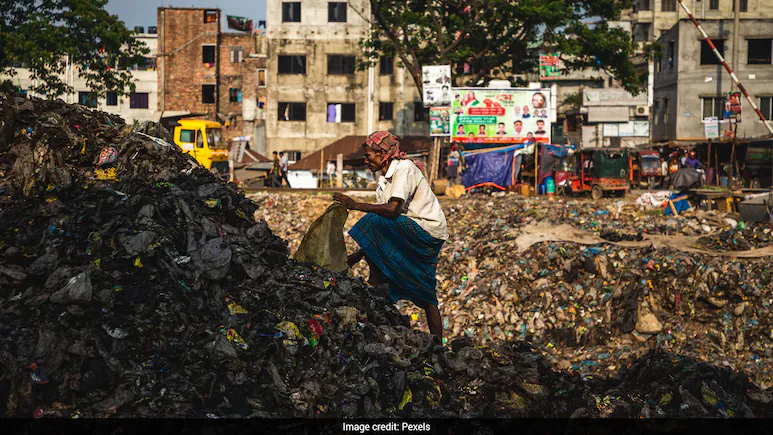
The International Monetary Fund warned on Tuesday that while low-income developing countries were dealing with the disproportionate impacts of the Iran war-fuelled energy shock, many had “no choice” but to cut spending or face debt restructuring.
The IMF has called on countries to offer narrow, targeted subsidies in the wake of the crisis, while also recommending all governments work to rebuild fiscal buffers and address rising debt after years of fighting economic shocks since the pandemic.
“Unfortunately, after years of the global economy being hit (by) shock after shock, debt levels have increased quite a lot, and at the same time, inflation has become a problem,” she said. “Where debt is not sustainable, then resolving that debt and having orderly and timely restructuring is always better than waiting, because then the costs of restructuring down the road is going to be much higher,” she said.
‘Domino effect’
The warming phase of a natural climate cycle, El Nino raises sea temperatures in the tropical Pacific, triggering changes in weather that can increase the risk of drought and flooding, and exacerbate man-made global warming.
Koeva Brooks told AFP that if AI investment activity were to slow, the world economy “would see a negative impact on output, not only in advanced countries like the US but again through trade linkages also in Asia.
The IMF’s World Economic Outlook, released on Tuesday, identified low-income developing countries that are net oil importers and are not exposed to the ongoing artificial intelligence technology investment boom as being the most vulnerable to the shocks from the Iran war.
The senior IMF official added that “many” low-income countries were in debt distress, or close to it, and that they should seek debt restructuring if they were not able to address the issue.
