
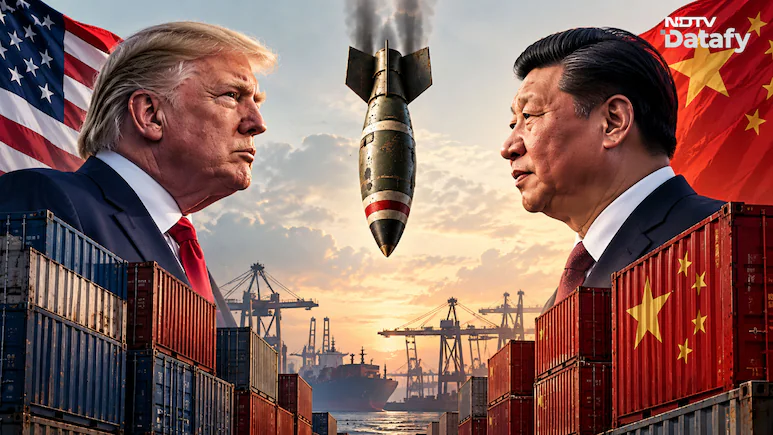
As Donald Trump and Xi Jinping prepare for a high-stakes meeting at the White House, the shadow of the Iran conflict looms large. With billions of dollars already spent and no clear end in sight, Washington is searching for ways to contain a crisis that threatens to destabilise the wider Middle East. This raises an important question: why is China central to the conversation?
it wields considerable economic and diplomatic influence over Tehran Although Beijing is not directly involved in the conflict. At a time when the costs of war are mounting, and Iran continues to withstand sanctions and military pressure, China could play a critical role in shaping the conflict’s trajectory. The summit may ultimately reveal how much the United States needs the cooperation of its biggest strategic rival.
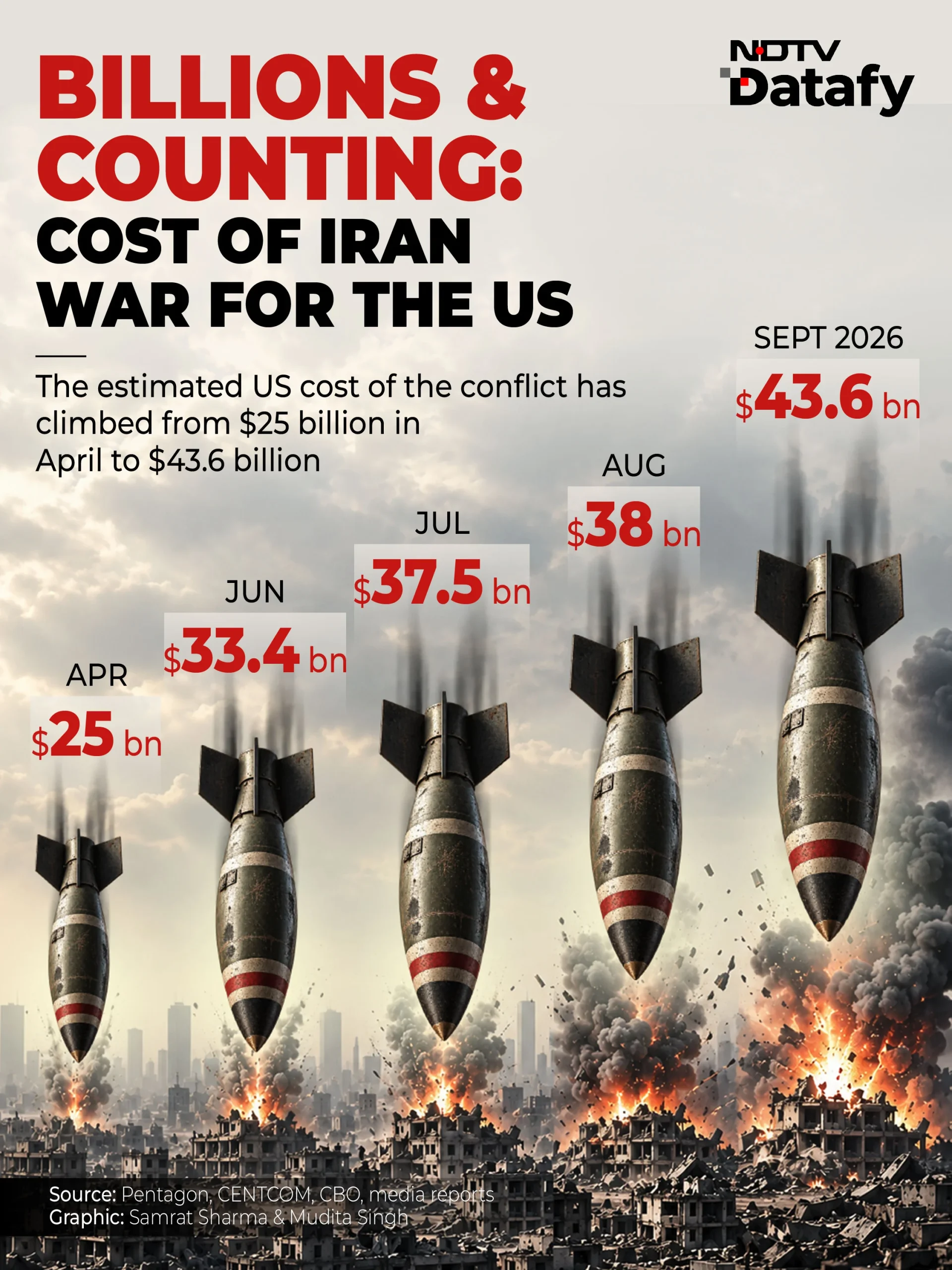
The spending includes the replacement of expended munitions, equipment lost in combat, increased flying hours, operational expenses and higher fuel costs. The financial burden of the Iran war continues to grow. The estimate does not include costs borne by other federal agencies or routine military expenses already accounted for in the federal budget. (Congressional Budget Office) Part of the answer lies in China’s deep economic relationship with Iran. The United States views China as Iran’s largest oil customer, biggest trading partner and one of the key reasons Tehran has been able to withstand years of sanctions. The scale of the relationship is striking. The impact of the conflict is not limited to the battlefield. American consumers are also paying a price through higher fuel costs. Disruptions linked to the Strait of Hormuz crisis have tightened global energy supplies and contributed to a surge in gasoline prices.
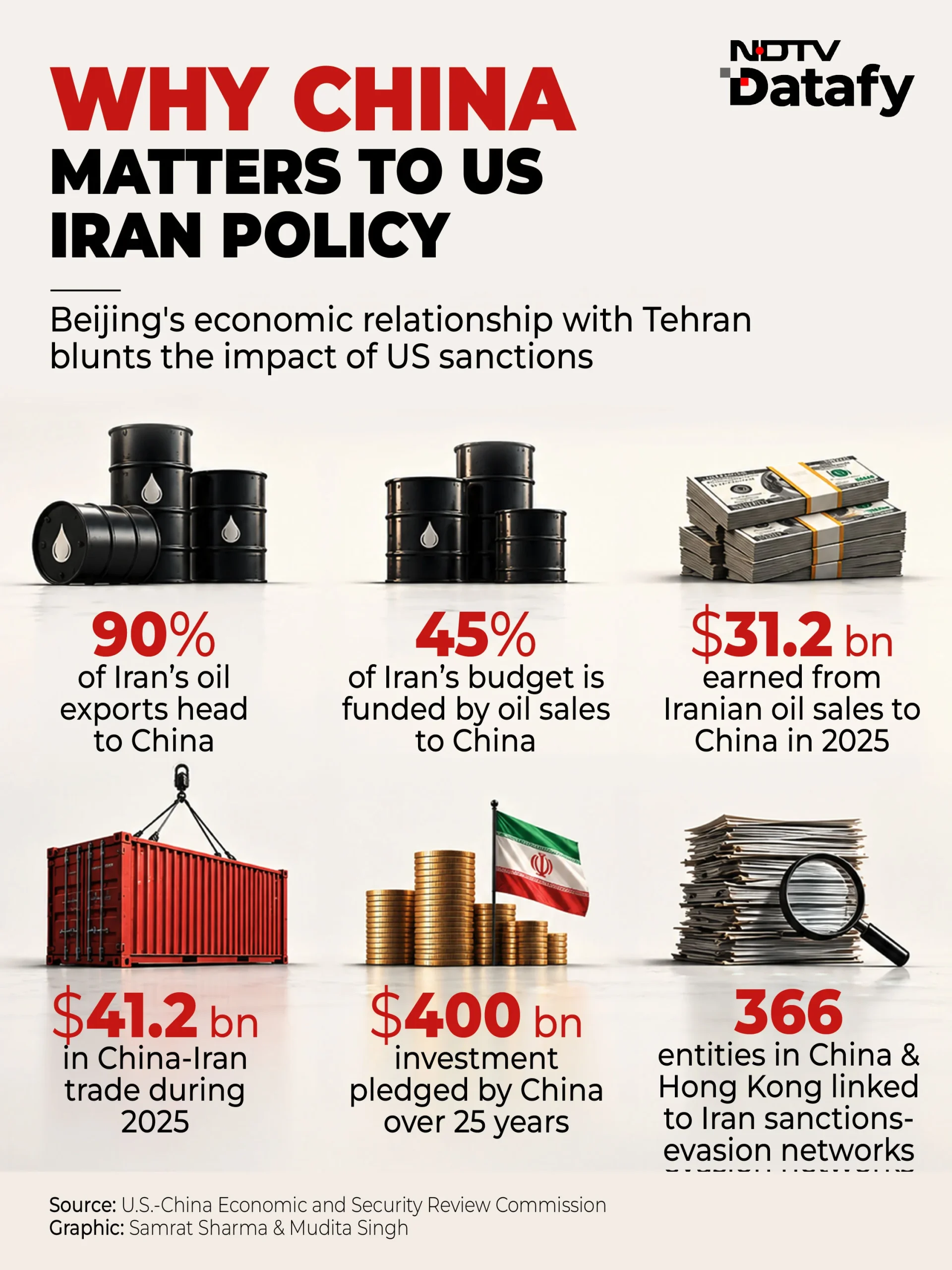
The cost of US military operations had reached $43.6 billion as of September 3, 2026, up from the Congressional Budget Office’s estimate of $38 billion as of August 1, according to a new estimate provided to lawmakers. Around 90 per cent of Iran’s oil exports are estimated to go to China, while oil sales tied to China account for roughly 45 per cent of Iran’s government budget. Iran reportedly earned $31.2 billion from oil sales to China in 2025, while total bilateral trade reached $41.2 billion. Since the Iran war began in February 2026, annual gasoline inflation in the United States has ranged between 18 per cent and 41 per cent, according to the US Bureau of Labor Statistics. In July 2026, the US imported $27.07 billion worth of goods from China while exporting $9.71 billion, resulting in a trade deficit of $17.36 billion, the highest level in 16 months, according to the US Census Bureau. (Census.gov)
China enables Iran to mitigate global sanctions through trade and financial networks, technology transfers and dual-use commerce, according to the US-China Economic and Security Review Commission. The commission says Chinese banks, intermediary firms and front companies facilitate Iranian oil transactions, support the shadow fleet used to transport Iranian crude, provide access to controlled technologies linked to missile and drone programmes, and help move money through international financial channels.
Yet the summit comes amid persistent tensions over trade, technology, security and Taiwan.
Iran is also expected to be a sensitive issue, with Washington pressing Beijing over its economic and other links with Tehran. (Reuters) Ahead of the meeting, China’s ambassador to the United States warned that Taiwan and human rights remain “red lines” that Washington must not cross.
