
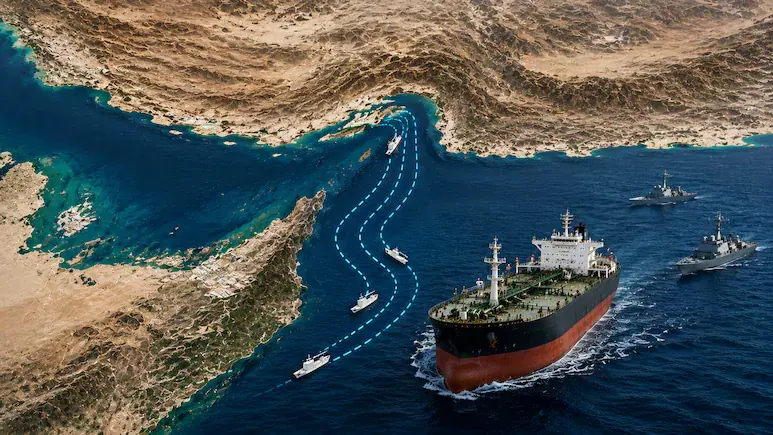
When President Donald Trump launched the war with Iran in late February, he initially forecast it would last four to five weeks. Six months later, there’s still no off-ramp in sight despite Trump’s repeated assertions that the war has been won or a deal to resolve it was nearly complete.
A June memorandum of understanding designed to pave the way to end the war has fallen by the wayside. US stockpiles of key weapons have diminished and the Trump administration has pivoted to pressuring Iran economically rather than launching more strikes. Early in the war, the president and his administration sometimes listed this as a standalone objective. Other times, it has fallen off their list. Early on, the US struck Iranian-aligned militia groups in Iraq. But the biggest focus has been Israel’s war in Lebanon against Hezbollah, which Iran backs.
One of the most pressing questions has been what will be done with a stockpile of about 970 pounds (440 kilograms) of enriched uranium that Tehran could potentially use for a weapon. Trump said in a May 29 social media post that it would be retrieved by the US “in close coordination and conjunction with the Islamic Republic of Iran, plus the International Atomic Energy Agency, and DESTROYED.
Iran has not said whether it would consent. Without permission from Iran, experts have said seizing it would be a dangerous mission requiring a sizable deployment of US troops into the country. In March, Trump and his administration repeatedly said degrading Iran’s proxy terror networks was a key goal. As time has gone on, administration officials have offered fewer updates about this objective, which the president described as ensuring that “the region’s terrorist proxies can no longer destabilize the region or the world and attack our forces” and “ensuring that the Iranian regime cannot continue to arm, fund, and direct terrorist armies outside of their borders. Iran has insisted that the fighting in Lebanon must be stopped as part of any deal with the US Israel and the Lebanese government announced a deal, which was mediated by the US, for Israeli forces to leave southern Lebanon in exchange for Hezbollah’s disarmament — something an administration official described as a “huge step,” speaking on condition of anonymity because they were not authorized to address the issue on the record. But the militant group has refused direct talks and its leader has said it will not disarm.
The material is believed to be buried under three sites bombed by the US and Israel last year.
