
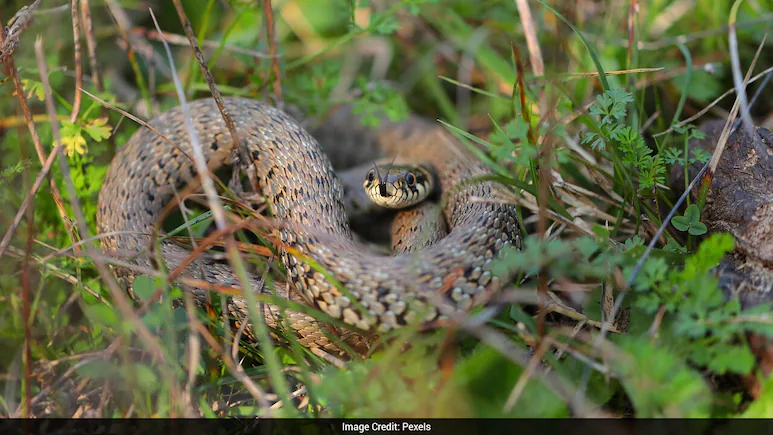
With few snakes left and limited space on the island, the species was close to disappearing. The racer population quickly doubled and more than doubled within two years. In 1995, the Antiguan racer was on the verge of disappearing from the wild, with only 51 of these rare Caribbean snakes estimated to survive on tiny Great Bird Island off the coast of Antigua. In 1995, Antiguan and international conservation organisations removed Black rats from Great Bird Island.
A conservation programme then began to change the situation, according to research published on ResearchGate .
However, conservationists knew that one small island could not support unlimited growth. A 10-year plan was created to establish Antiguan racers on other offshore islands, with an initial target of at least 500 snakes. 86 racers were eventually moved to Rabbit, Green and York Islands between 1999 and 2012, according to research published on ResearchGate .
Rats and mongooses were removed from these islands before the snakes were released. The relocated snakes adapted well, and no deaths were recorded during the transfers or radiotelemetry studies. Within three years of the first releases, new, unmarked racers were found on all three islands, showing that the snakes were reproducing. The population continued to grow. The programme also included public education to change negative attitudes towards the harmless snakes. Researchers warned that the species still needed protection from invasive mammals and damaging development, along with more reintroduction sites.
The first transfer took place in November 1999, when 10 racers were moved to Rabbit Island. Further releases followed on Green Island in 2002 and York Island from 2008. It reached an estimated 1,135 snakes in 2015 before standing at 1,108 in 2016. The four island populations covered about 63 hectares, compared with 8.4 hectares on Great Bird Island in 1995. The Antiguan racer had gone from just 51 snakes in 1995 to more than 1,100 across four islands by 2016.
