
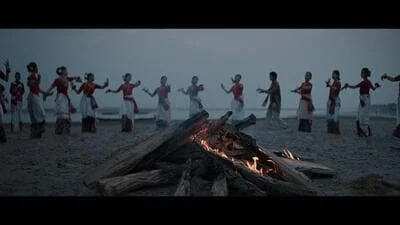
The Northeast continues to be a geographical, ecological and ethnographic curiosity even among seasoned travellers. For the slightly adventurous too: offbeat travel where you eat worms and nettle soup? Go to the Northeast.
Voices of the Land goes beyond travel to explore the philosophies, identities, oral traditions, music, food, rituals and everyday lives of communities whose wisdom has shaped the region for centuries. The series singularly gives each community the space to represent itself on its own terms, how they choose to be seen and what they want to convey to the world. Through intimate observations and breathtaking landscapes, Voices of the Land is both a celebration of cultural resilience and a timely reminder of the natural heritage that continues to thrive at the edge of a rapidly changing world. That’s how Voices of the Land eschews touristy television. Visual and narrative representations of the Northeast have transformed in the past decade. Like many places and people that were submerged in clichés of ethnic violence and alienation, Instagram and demands of new travel have transformed how we look at the northeastern states. And Voices of the Land crystallises as well as magnifies that transformed narrative — as exemplary when it comes to how nature lives among people, and exhilarating to look at, and visit. Voices of the Land is a story that stays with curiosity about what indigenous tribes can tell us about the changing planet. What’s beyond that curiosity is the work of anthropologists like Dolly Kiko from Nagaland. “As much as I appreciate the cultural show and richness of indigenous peoples, I also call for a deeper engagement and collective wisdom that is consistent. I call for a practice that foregrounds social and gender justice. This common thread is rapidly changing as community’s relationship with farming, foraging, and caring is transforming in the midst of resource extraction and large scale infrastructure developments. The ongoing disasters across the region every monsoon is a testament.”
Because that allows guests to meaningfully engage with the environment and its people, julie Kagti, founder of Curtain Call Adventures, a travel company that creates small, curated tours emphasising culture, lifestyle, crafts, food, and gentle adventure in the region, says that they don’t cover four states in seven days and opt instead for slow, immersive experiences.
She adds, and Kiko’s words are, unintentionally, a compelling epilogue for this riveting travel show: “The common thread among all Indigenous peoples in northeast India (and around the world) is their connection with land and natural resources, which is called “a way of life”.
