
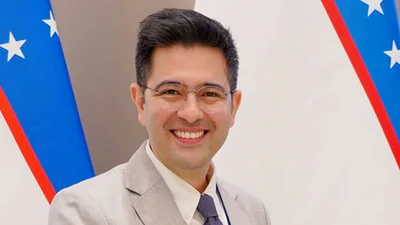
BJP MP Raghav Chadha represented India at the 12th IPU Global Conference of Young Parliamentarians in Uzbekistan’s Samarkand, where he spoke about women’s political participation in India.
The country has seen a shift from “women’s development” to “women-led development”, Chadha told parliamentarians.
Empowerment of Women in Governance Stressed by Chadha
During a recent address, Chadha, a young member of Parliament, emphasized the need for genuine empowerment of women in governance. He stated, ‘India’s message is simple: Don’t just ask women to vote. Enable them to govern. Don’t just give them a seat. Give them authority. Don’t just speak of empowerment. Make it irreversible.’ This statement highlights the importance of not only including women in the electoral process but also ensuring they hold positions of power and influence.
He noted that it was the second consecutive general election in which women’s participation exceeded that of men. In their outcome document, the young MPs reaffirmed that human rights are the foundation for safe, dignified and empowered lives. Talking about women’s participation in elections, Chadha said over 476 million women were registered voters in the 2024 Lok Sabha election. Women’s turnout was around 67%, slightly higher than that of men. Women account for approximately 46% of representatives at this level, he said. He added that 21 states have gone beyond the constitutional minimum and provided 50% reservation for women in panchayats.
Speaking at a session on ‘Ensuring Political Rights for Women’, Chadha said women should not just benefit from government policies but should also play an active role in democracy as voters, entrepreneurs, elected representatives and decision-makers. “Indian women are not waiting at the doors of democracy, they are helping determine its direction,” Chadha said. Chadha said the legislation was not only about representation but also about giving women greater authority and decision-making power. They also said these rights were being tested by conflicts, emerging technologies, environmental crises and growing economic and political uncertainty.
