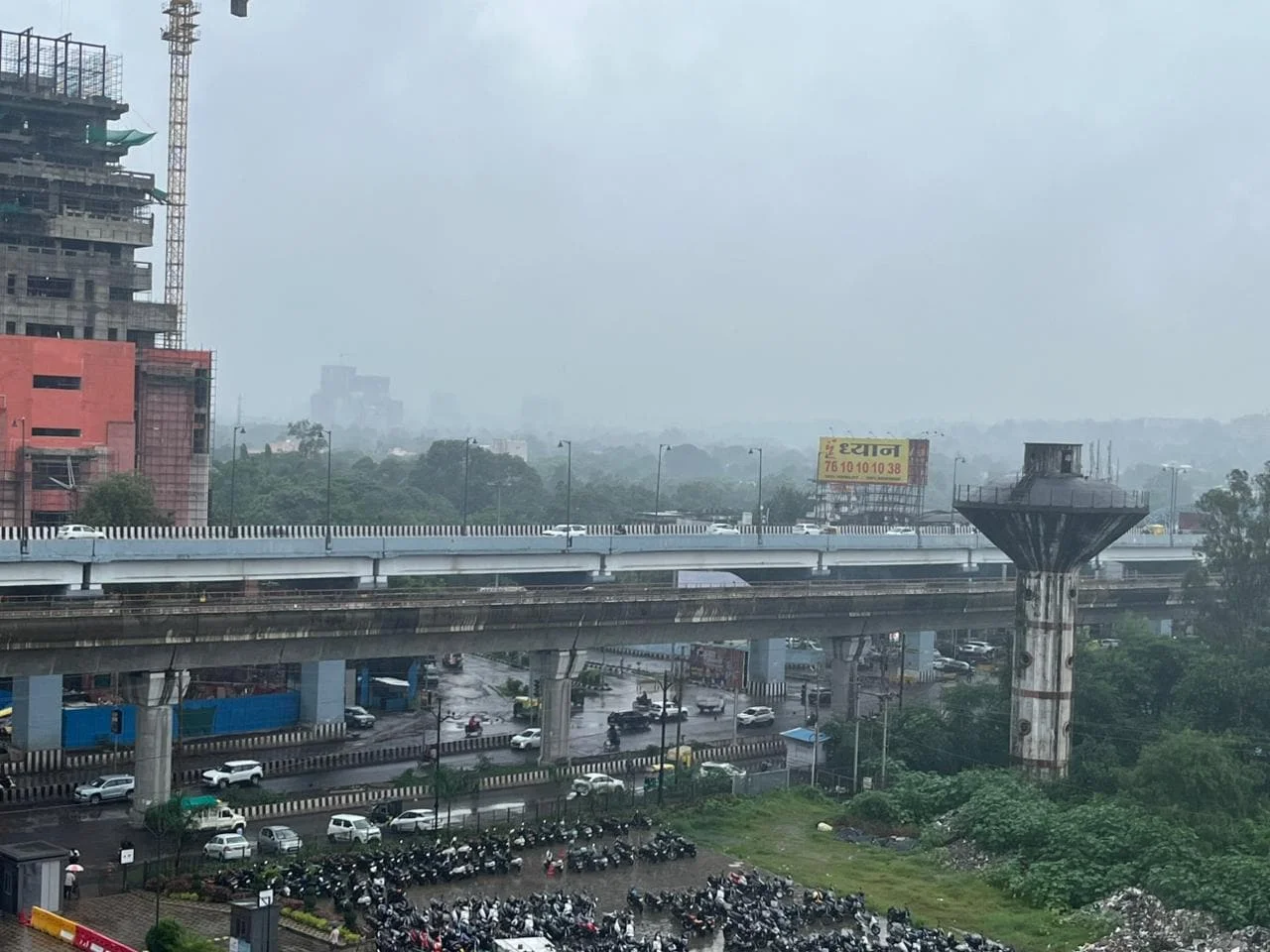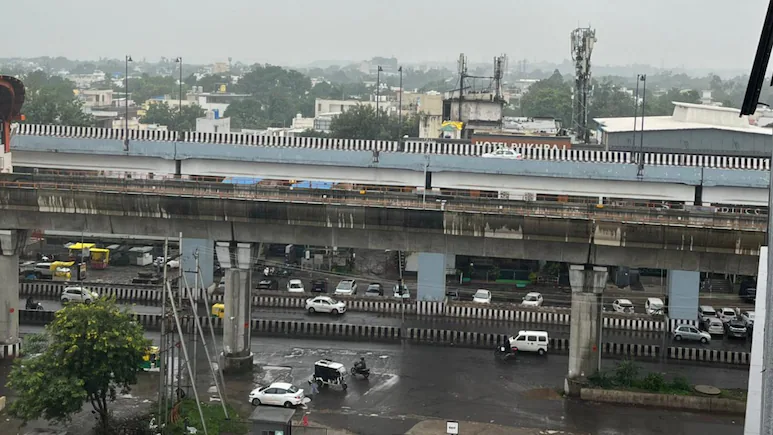
The Madhya Pradesh High Court has scrutinized the state government’s financial priorities during a recent hearing regarding a new Rs 4.69-crore maintenance tender for a flyover in Bhopal. The court highlighted a concerning disparity: while funds seem readily available for infrastructure projects like this one, the government often claims a lack of resources for essential services such as schools, health centers, and court buildings. This raises important questions about the allocation of public funds and the state’s commitment to community welfare.
Court Questions Government’s Tender for Flyover Repairs
A division bench comprising acting Chief Justice Vivek Rusia and Justice Pradeep Mittal recently scrutinized the government’s decision to issue a new tender worth Rs 4.69 crore for repair and maintenance work on a flyover. The judges highlighted that the contractor responsible for the original construction should address any defects at no extra cost during the maintenance period.
The court’s inquiry raised a critical issue: if the contractor is already obligated to fix these defects without charging the government, what justifies the need for this additional expenditure? This situation not only questions fiscal responsibility but also underlines the broader implications of public spending in infrastructure maintenance.
The issue resurfaced during this year’s monsoon after defects were again reported on portions of the flyover. The High Court has now stayed the process of the fresh maintenance tender for the Dr Bhimrao Ambedkar Setu near Rani Kamlapati railway station in Bhopal and directed the contractor to rectify all the defects and submit a compliance report at the next hearing. The case concerns the Dr Bhimrao Ambedkar Setu, one of Bhopal’s major flyovers, connecting the Gayatri Mandir and DB Mall side with Board Office Square, Pragati Petrol Pump, Mansarovar Complex and Ganesh Mandir. Questions over the quality of the structure had emerged soon after it was opened. An inspection by senior Public Works Department officials found shortcomings in the riding surface and finishing. Departmental action followed against officials, and the contractor was asked to undertake repairs at its own cost. Proceedings were subsequently initiated against the company, including proposed blacklisting. The petitioner argued that repairing defects during the defect-liability or maintenance period was already its contractual responsibility and that it was willing to undertake the work. The court’s written order records the same position that the proposed tender was for work which the contractor was required to do free of cost. It was against this backdrop that the bench reportedly questioned the government over its financial priorities. The court observed that funds were apparently available for such expenditure, but when the requirement concerned school buildings, community health centres or court buildings, shortage of funds was cited.
The September 3 written order records that the contractor was ready to cure the defects pointed out by the authorities during the defect-liability period. It further states that the government had proposed cancellation of the contract, blacklisting of the petitioner and a fresh tender costing Rs 4.69 crore for work which the contractor was “bound to do free of cost during the maintenance period. The flyover, located near Rani Kamlapati railway station, was inaugurated by Chief Minister Mohan Yadav in January 2025 and was constructed at a reported cost of around Rs 153-154 crore. Officials inspected the structure on July 30 and pointed out defects to the contractor. The contractor was asked to rectify them within three days, and a show-cause notice was issued on August 1. However, even as action against the original contractor was being considered, the department floated another maintenance tender worth Rs 4.69 crore for the flyover.
“Till the next date of hearing, the process of the new tender shall remain stayed,” the High Court ordered.
It also directed the contractor to remove all the defects and submit a compliance report before the court. This became the key issue before the court.