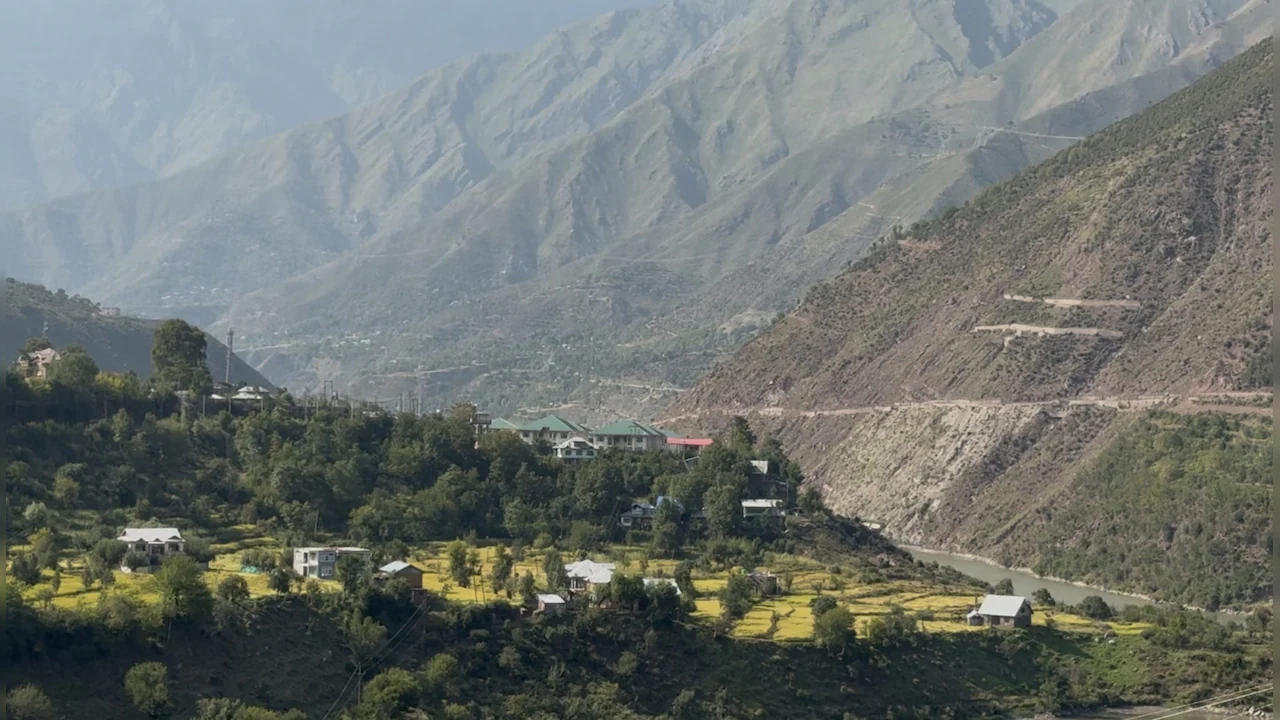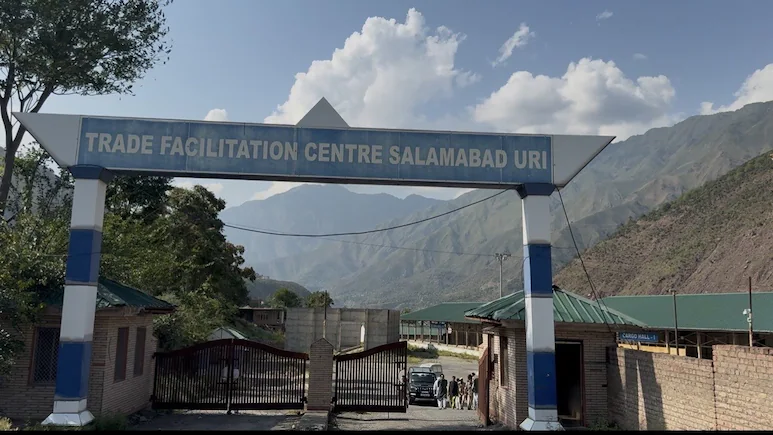
It had remained deserted for the past seven years. Curtains have now officially come down on the cross-border trade facility between Srinagar and Muzaffarabad in PoK.
The Trade Facilitation Centre (TFC) at Salamabad in the Uri sector regulated a duty-free and cashless barter system between the two sides of the Line of Control.
With the decision, any possibility of revival of trade between Jammu and Kashmir and Pakistan-occupied Kashmir (PoK) has also come to an end. The Trade Facilitation Centre (TFC) at Salamabad in the Uri sector regulated a duty-free and cashless barter system between the two sides of the Line of Control. Transactions were done through exchange of goods of equal value instead of banking channels or foreign exchange. An order issued by the Jammu and Kashmir government has handed over the trade centre from the Industries and Commerce Department to the J&K Tourism Department. Officials say the centre will now be repurposed for promoting border tourism in the Uri sector. “We are formally taking over the facility at Salamabad and will use it for tourism. Over the last few years, tourists have been visiting Uri, including the Aman Setu (Peace Bridge) at Kaman. The bus service, known as Karwan-e-Aman – or Caravan of Peace – was meant for separated families on both sides of the Line of Control. Travel between both sides of the de facto border was allowed without visa and passport. Travellers used a special entry permit issued by local authorities after due verification. The trade, however, had a more profound impact on reconnecting the separated parts of Kashmir. Security agencies, however, raised concerns over misuse of cross-LoC trade by the Pakistani side and arrested several persons for smuggling drugs and terror links. The government had cited security concerns, including smuggling of weapons and drug trafficking, as reasons for suspending trade between the two parts of Kashmir. Seven years later, while there is a positive change in the ground situation in Kashmir and border areas are increasingly promoted as tourist destinations, the winding up of the cross-LoC trade facilitation centre in Uri only shows how India and Pakistan relations continue to remain frozen in hostility.
The trade was suspended in 2019 due to security concerns. The trade centre will now be used to promote tourism in Uri Uri MLA Dr Sajad Shafi said the decision will bring Uri onto the tourism map and create job opportunities for locals who have suffered due to suspension of cross-LoC trade since 2019. Both now stand terminated for years due to consistent cross-border terrorism emanating from Pakistan.
The trade was started in 2008 as a confidence-building measure between India and Pakistan, following the Srinagar-Muzaffarabad bus service in 2005. “The trade facility was defunct since the suspension of trade in 2019. The bridge connecting the divided parts of the erstwhile state of Jammu and Kashmir was built as part of the revival of the Srinagar-Muzaffarabad road before the launch of the bus service in 2005. As part of the barter system, 21 mutually agreed items, including apples, dry fruits, handicrafts and textiles, were traded on both sides. The trade ran for 11 years between 2008 and 2019 and created a new market and economic model for both sides of the LoC. A suicide attack on a CRPF convoy in Pulwama in February 2019 changed everything. Two months after the Pulwama terror attack in which 40 CRPF personnel were killed and subsequent military action by the Indian Army against Pakistan, the cross-LoC trade was suspended in April 2019.
We are planning to outsource it to create jobs and livelihood for local youth and make them partners in promoting border tourism,” said an official of the Tourism Department. I thank Chief Minister Omar Abdullah and the government for taking this decision and handing over the facility to the Tourism Department for promotion of border tourism,” said Dr Sajad Shafi. He said Uri has great potential for tourism and the TFC has good facilities for tourists, including accommodation at picturesque Salamabad.