
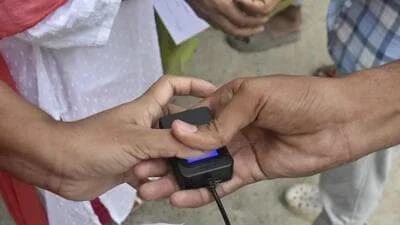
The Indian government has officially abandoned its proposal for the Biometric Identity Verification System (BIVS). This system aimed to create a centralized database assigning unique IDs to users, allowing telecom companies to verify customer identities against each other’s records. The decision was announced alongside the newly notified Telecommunications (User Identification) Rules, 2026 by the Department of Telecommunications (DoT) on August 21.
With BIVS gone, no more cross-industry biometric matching would happen and verification will happen through e-KYC and D-KYC. Under section 3(7) of the Telecommunications Act 2023, an entity has to identify the person to whom it provides telecommunication services through verifiable biometric based identification. IFF had said that the new repository would have none of the safeguards on protection of information required under the Aadhaar Act, 2016.
Critiquing the BIVS system, the Internet Freedom Foundation (IFF) in October 2025 had said it had been introduced “without any reasonable justification,” calling it a “parallel collection of biometric data by the DoT…in addition to that which is already being collected under the Aadhaar by UIDAI.
Entities must also report to government any instance of failure of biometric identification. Other changes to the final rules include an alert mechanism under rule 10, which would allow entities to send an alert to the user whenever a new connection/SIM/update/disconnection request is made in their name, asking them to confirm they made the request.
