
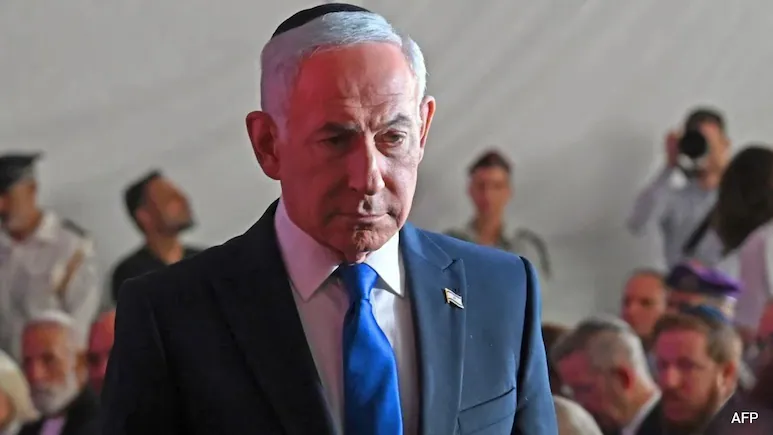
Israelis are heading to the first national elections since Hamas’ October 7, 2023, attack in what is widely seen as a referendum on Prime Minister Benjamin Netanyahu’s leadership. The vote is seen as the most consequential in the Jewish nation’s 78-year history, as the results could mark the end of the decades-long political career of Netanyahu –Israel’s longest-serving leader.
Hours will be slightly reduced in some small communities, hospitals and prisons. Israelis vote for a party list, not a candidate. Every party creates a ranked list of its candidates on a single ballot, letting voters elect the party or the slate. The leader of the party with the most votes could become the country’s next prime minister, though it is not automatic. If nobody manages it, the country votes again.
Israel will vote tomorrow, October 27, to choose all 120 members of the 26th Knesset. Election Day is a public holiday in Israel, with polls scheduled to open at 7 am local time and close at 10 pm in most parts of the nation. All Israeli citizens aged 18 or older who are registered to vote and have a valid identification, like a passport, driver’s licence or Israeli identification card, will be allowed to vote. A party needs at least 61 seats to form the government, and no party has ever won that alone. After the vote, parties get 28 days, extendable by up to 14, to assemble a coalition.
This is the sixth election since 2019, which is why “who finishes first” matters less than “who can reach 61”.
Within seven days after the election results are announced, Israel’s president, who mostly plays a symbolic role, meets the elected representatives of different factions. The president will assign a member of the Knesset, who is usually the leader of the party or faction that has won the most seats, to form a government. But wanted by the International Criminal Court over alleged war crimes in Gaza, which he rejects, and on trial in Israel on corruption charges which he denies, he is fighting for his political life. Bennett has joined forces with centrist former premier Yair Lapid. Their new party is called Together, and its messages have focused on healing a traumatised nation and getting the country back on track.
In Israel’s 78-year history, no single party has ever won a majority. This means parties must form a governing coalition of at least 61 lawmakers. Opinion polls have pointed to a sharp drop for his Likud party since the October 7 attack, which shattered Netanyahu’s security credentials. Former Prime Minister Naftali Bennett, 54, a right-wing former commando, former Netanyahu aide and high-tech millionaire, is another strong contender for the top post. Their alliance, despite being on opposite ends of the political spectrum, ousted Netanyahu in a 2021 election.
