
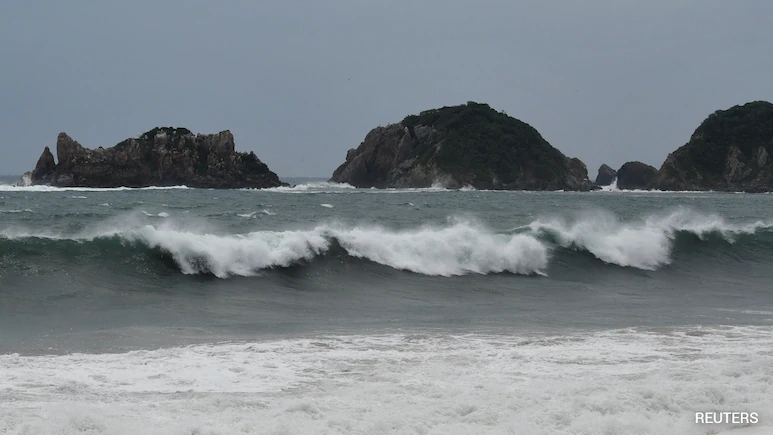
El Nino will intensify even more before peaking in December, the United Nations said Thursday, warning it could be among the strongest witnessed since at least 1950.
“It is likely to bring above-average temperatures to much of the globe and shift rainfall patterns, increasing the risk of drought and floods in different regions. El Nino warms surface temperatures in the central and eastern equatorial Pacific Ocean, bringing worldwide changes in winds, pressure and rainfall patterns.
The naturally occurring weather phenomenon is set to bring higher temperatures to much of the planet, the UN’s weather and climate agency said, with its impact compounding the effects of man-made climate change. “El Nino will continue to intensify ahead of its forecast peak in December,” the World Meteorological Organization (WMO) said in its monthly Global Seasonal Climate Update. “Sea-surface temperatures in the central and eastern tropical Pacific are forecast to increase to record levels during October-November-December 2026, reflecting the strengthening of the El Nino event which will drive weather patterns and impact economies, ecosystems and communities across the globe,” the WMO said.
Saulo explained that El Nino does not add new heat to the planet, but releases heat being stored in the ocean. “WMO forecasts indicate a near-100 percent likelihood that it will persist through February 2027, potentially being one of the strongest since at least 1950.
