
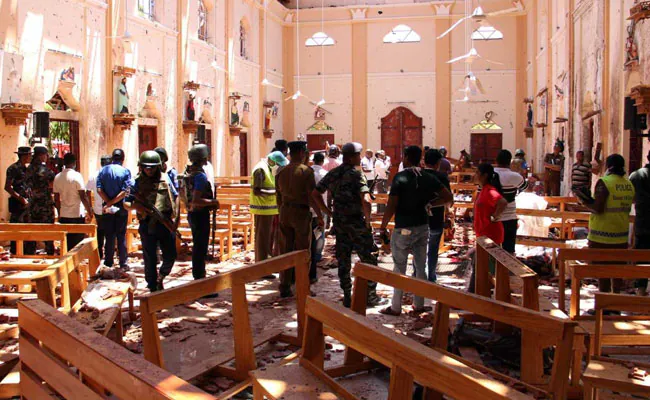
Sri Lanka’s High Court on Tuesday handed 220-year jail terms to 15 men convicted of direct involvement in the 2019 Easter Sunday bombings, which killed 279 people.
It was the first criminal prosecution directly linked to the coordinated bombings, though a former police chief and an ex-security chief were sentenced to death in July for criminal negligence after failing to prevent the attacks despite prior intelligence warnings. All of the accused are from Sri Lanka’s minority Muslim community. Twenty-five men were originally charged, but one defendant died in custody.
Local media had speculated that the convicts could face the death penalty, although Sri Lanka has not carried out an execution since 1976 and capital punishment is typically commuted to life imprisonment.
Teresa Fernando, a survivor who suffered head injuries, said no one should have to endure what she had gone through.
Rajapaksa Family’s Political Maneuvering Amid Allegations
Following the bombings, investigators uncovered a network allegedly designed to create a security threat that would enhance political support for the Rajapaksa family. This incident coincided with the family’s return to power, marked by Gotabaya Rajapaksa’s election as president several months after the attacks. Despite the family’s long-standing dominance in Sri Lankan politics for nearly two decades, they have denied any involvement in the bombings.
Former Intelligence Chief Arrested Amid Ongoing Investigation
Suresh Sallay, the former intelligence chief of Sri Lanka, is currently in custody, facing accusations of masterminding the bombings that occurred recently. Sallay has denied these allegations.
This trial is taking place alongside a separate investigation into claims that some elements within the Sri Lankan government may have connections to those responsible for the attacks. The investigation is sensitive and has drawn significant public attention.
