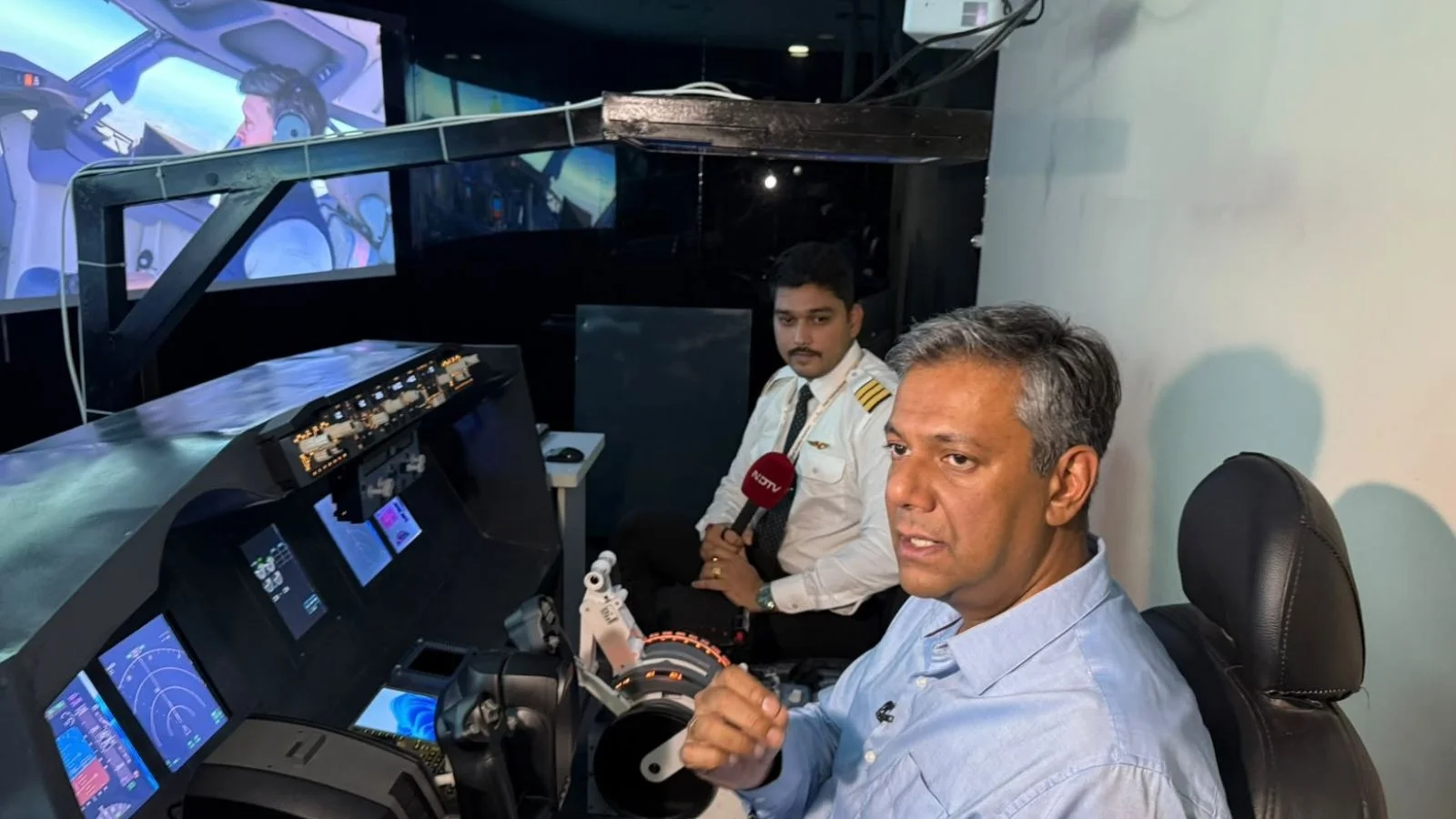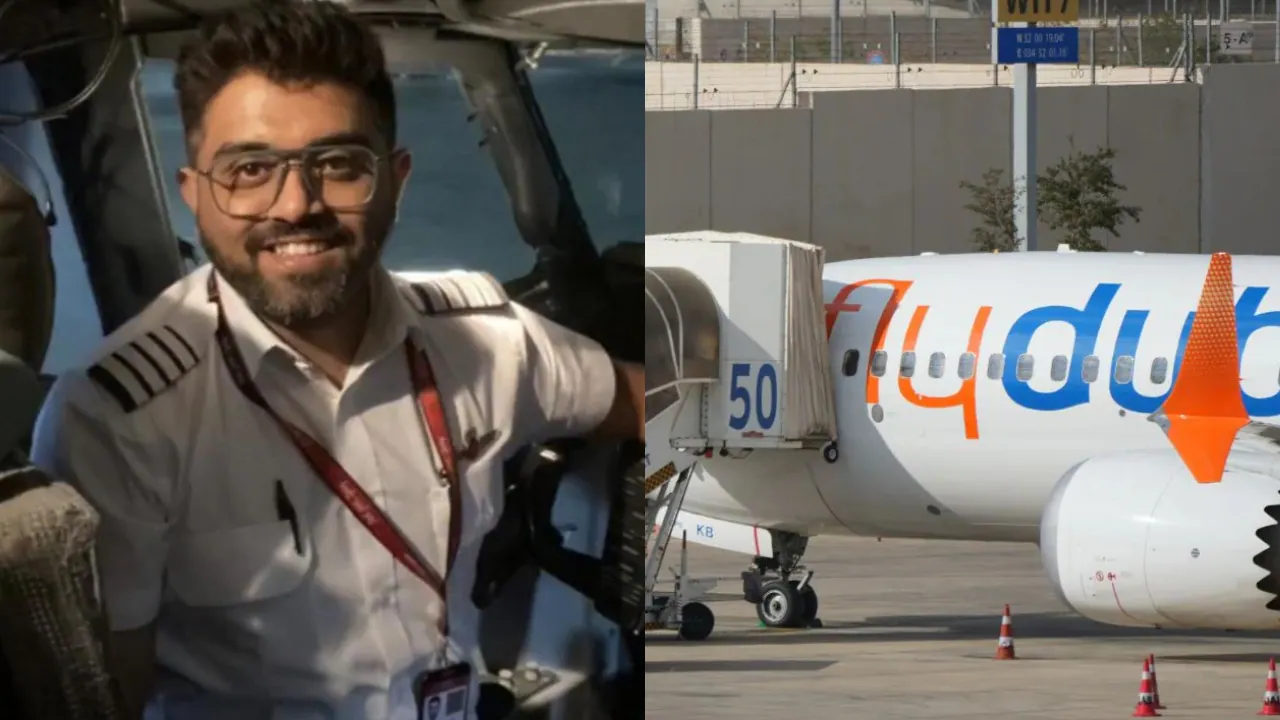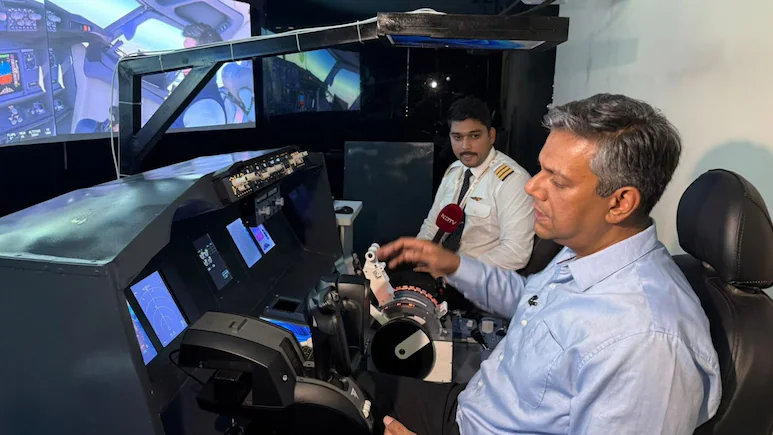
NDTV’s Vishnu Som sat in the simulator of a Boeing 737 series aircraft similar to the flydubai Boeing 737 MAX involved in the horrifying incident of the co-pilot attacking the pilot and the subsequent steep dive, which reached supersonic speed, putting massive pressure on the airframe that could have destroyed it midair.
flydubai flight FZ1073 travelling from Dubai to Tel Aviv was diverted to Tabuk in Saudi Arabia following the incident in which Indian pilot Smit Machchhar was critically injured. This aircraft was at one point beset with the ugly reputation of two crashes that happened after a sudden, uncommanded nose-down manoeuvre. Captain Sujit Ojha of TopFlyer Pilot Training Academy shared some insights into what may have unfolded inside the flydubai aircraft’s cockpit during those tense moments. The simulator has everything that the real thing has – control column, centre pedestal, thrust levers, speed brake, flaps and engine controls. The simulator’s screen showed the aircraft pitching down sharply at an absolutely huge rate of descent and in an extreme pitch-down scenario – which this aircraft was not designed to do. This code is the standard transponder code used by pilots globally to declare a general emergency in flight. As per aviation regulation rules, a crash axe should be available inside the cockpit. The co-pilot must have taken the axe from the cabinet and hit Captain Smith, leading to the steep dive and a deadly situation. There are two ways of deactivating or unlocking that door – using a button in one of the control panels, or physically rotating the door handle. Captain Machchha managed to open the door and alert the passengers. The aircraft was in a nose-down position.
Captain Machchha used code 7700 to indicate something was wrong so that anyone seeing the transponder – which gives key details about the aircraft in real-time – can know the aircraft was in some kind of trouble. Because he was already attacked, “That’s an extremely heroic deed, what Captain Smith did,. The survival of the aircraft despite its sudden descent from 34,000 feet to 17,000 feet in about a minute-and-a-half with the co-pilot trying to kill the pilot was nothing short of a miracle. It also demonstrated the sheer strength of the Boeing 737 MAX’s airframe made with specialised aluminum alloys and advanced composites. A Boeing 737 series simulator In the simulator, the altitude showed 34,000 feet which was the same altitude as the flydubai flight was when the co-pilot, an Omani national as per media reports, attacked the Indian pilot, Captain Smit Machchha. While at 34,000 feet, the co-pilot would have pushed down his control column after which the Boeing 737 MAX started descending violently. Captain Machchha, critically injured after the axe attack by the co-pilot, squawked code 7700 which was visible in the simulator’s screen. Two other squawk codes are 7500, generally used when an aircraft is hijacked, and 7600 for radio communication failure. After the September 11 attacks, cockpit doors are ‘armoured’ and mandatorily sealed from outside entry during flight.
That means his body was getting a G-force in which he was going towards the nose of the aircraft but he walked towards the rear and he opened the gate and shouted for help,” Captain Sujit Ojha of TopFlyer Pilot Training Academy told NDTV.