
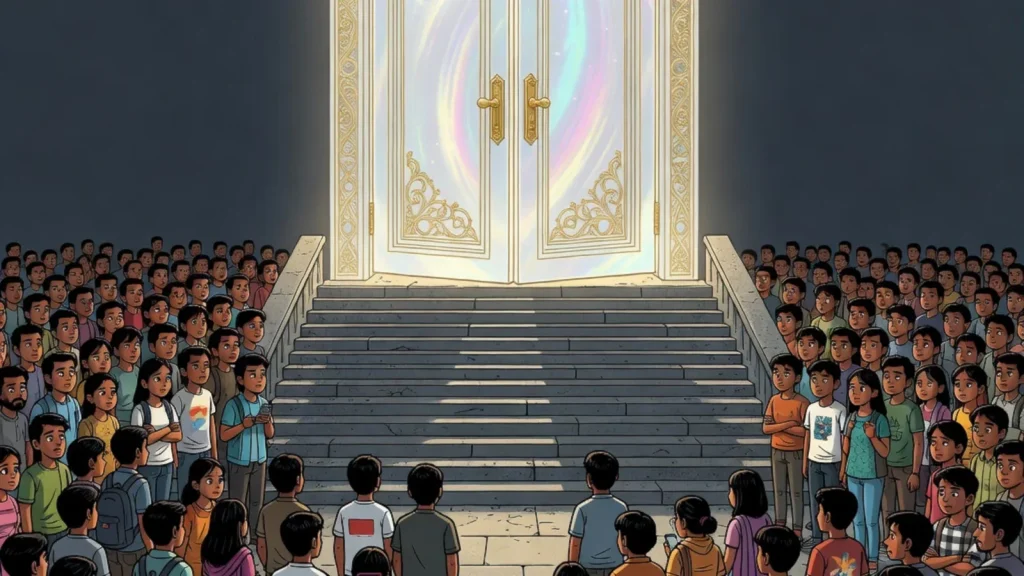
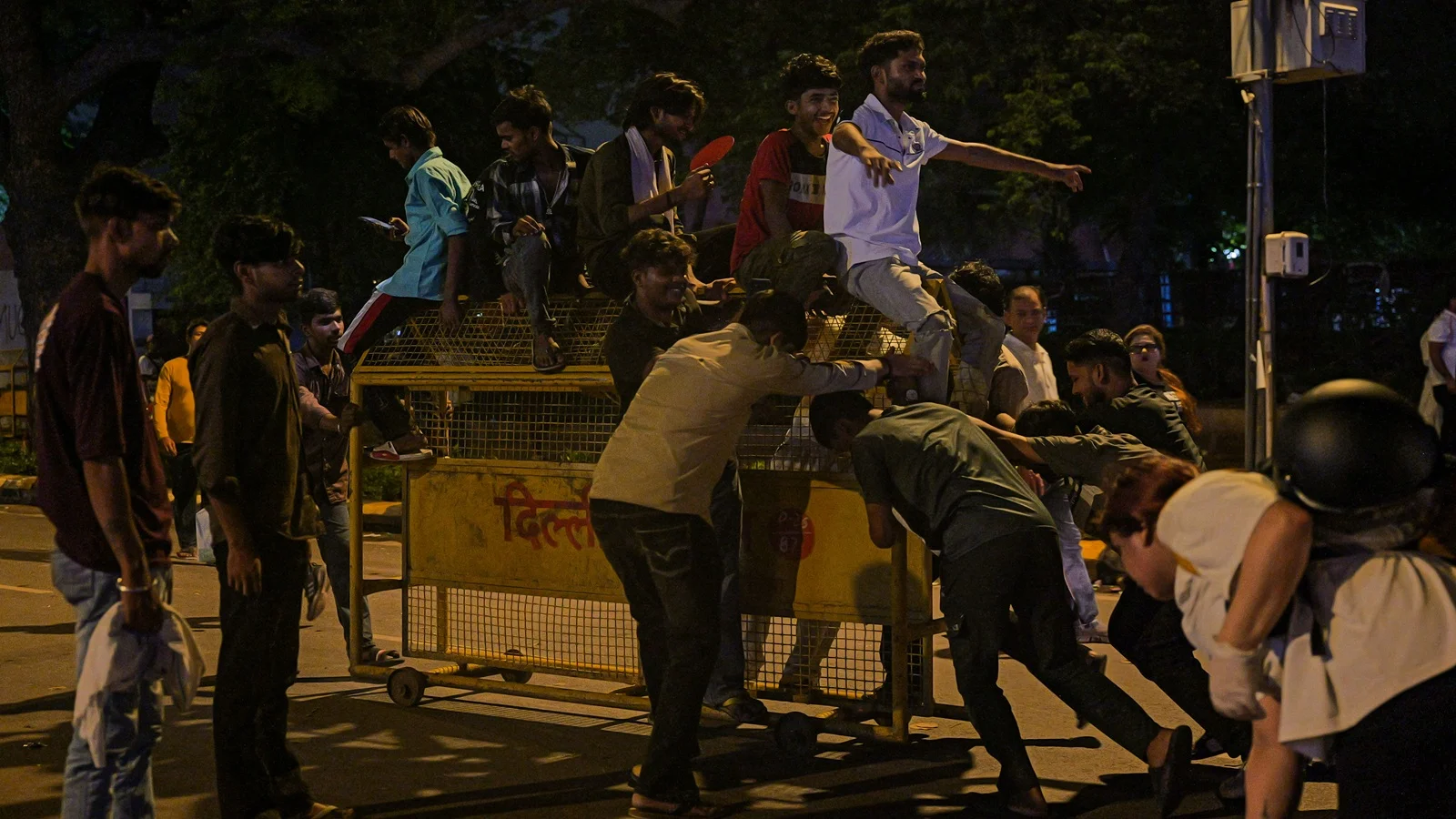
Young people without jobs can be managed for a while with distractions. But sooner or later, he warned, they will come to the streets. In 2020, Raghuram Rajan, the former RBI Governor, made a chilling prediction.
Every job crisis eventually leads back to the classroom.
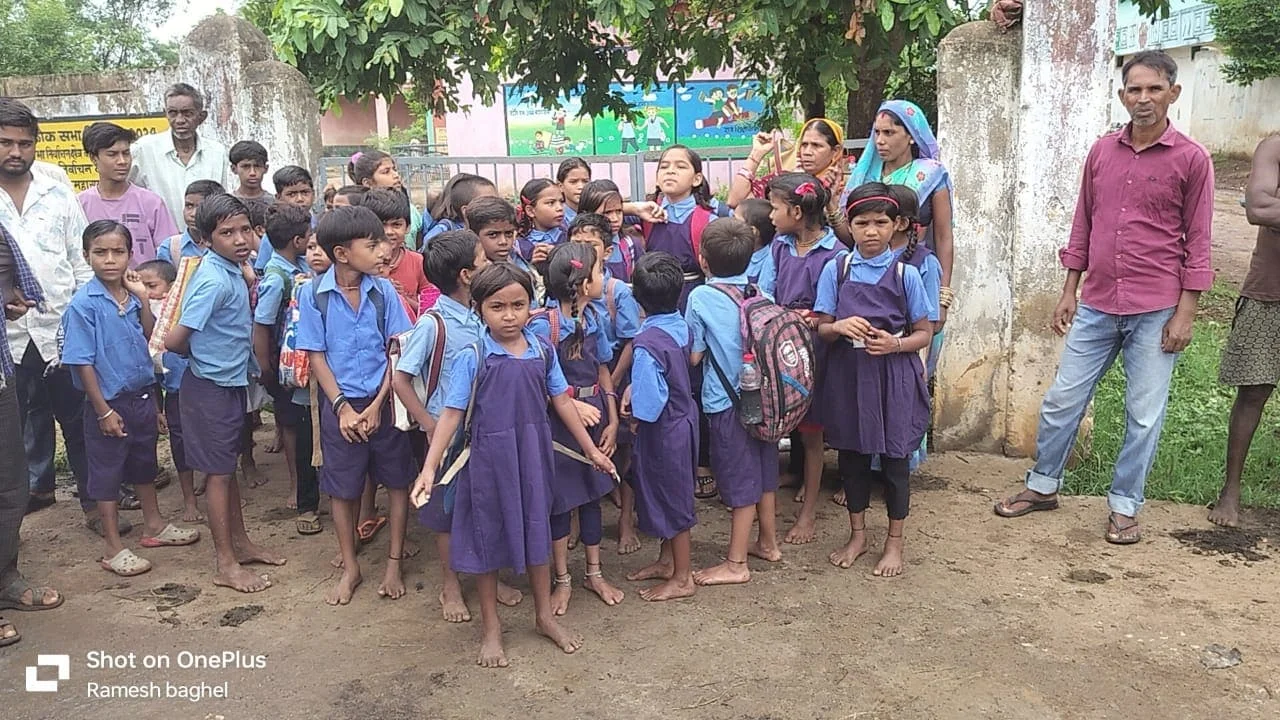
Instead, a growing share of state budgets goes toward free bicycles, free gadgets, even gold and pilgrimages — freebies that win votes today but starve schools tomorrow. More than one lakh schools operate with just a single teacher, doing every subject, every grade, alone. Meanwhile, videos of government schoolteachers struggling to spell basic English words go viral almost every week. In one recent case, a primary school teacher reportedly forced students to clean up after him — a small but telling sign of how badly some parts of the system have broken down. India needs an honest, non-political conversation about what counts as genuine welfare and what is simply unaffordable populism. Left unresolved, he warns, it risks frustration, underemployment and social instability. But he also sees opportunity: an India-specific growth model built on innovation, skilling and sustainability, where education is judged not just by the jobs it produces, but by the dignity and capability it builds. Stop treating skills as an afterthought. Pravesh Dudani, Founder and Chancellor of Medhavi Skills University, calls a skills-first approach to education “an absolute non-negotiable. Learning has to translate into a livelihood, not just a certificate. Germany can serve as a model here.
He wants government, academia and industry to build curricula together, rather than working in silos, so that what students learn actually matches what the economy needs. A NITI Aayog report released in May 2026 found deep gaps in India’s school system. Over 1.19 lakh schools still run without electricity. Nearly 98,600 schools have no functional toilet for girls. India still spends far below the 6 per cent of GDP that education policy has promised for decades. 1.
As the old saying goes, “no one can stop a bad idea whose time has come”. Dr Abhinav P Tripathi, Associate Professor at Christ University, Delhi NCR, told NDTV the problem isn’t a shortage of work – it’s a mismatch between education, skills, technology and access.
That is the choice in front of India. One version of Gen Z stays stuck — qualified, willing, but locked out. The other builds the next Skyroot. Which version wins will depend on how seriously the country treats the two systems that shape a young person’s future: the classroom they sit in, and the economy that meets them when they walk out of it.
