
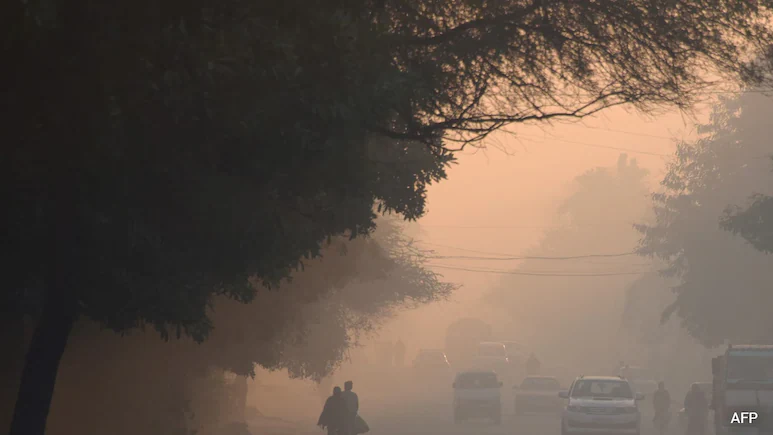
The Gurugram district administration has ordered restrictions on dust-generating construction and demolition activities and directed government and private offices to implement a 50 per cent work-from-home arrangement from November 5 to 20 as part of measures to curb air pollution.
The restrictions will also cover linear public infrastructure projects, including roads, highways, flyovers and pipelines.
Gurugram, outdoor construction and demolition activities that generate dust will remain restricted, according to an order shared by the Deputy Commissioner.
Offices will also have to prepare and maintain roster-wise attendance records. On the factors contributing to poor air quality, Guleria pointed to both emissions and weather conditions. All Haryana government and private offices in Gurugram have been directed to ensure that no more than 50 per cent of their staff attend physically, while the remaining employees work from home. Violations will invite action under Section 14 of the CAQM Act, 2021, and other applicable laws.
The district administration said concerned departments and enforcement agencies would conduct regular and daily inspections to ensure compliance. “The AQI has now reached the severe or very severe range, which is very troublesome and poses a major challenge, especially for people with chronic respiratory problems, chronic heart disease, young children, and the elderly,” Guleria said. He said hospitals typically witness an increase in emergency cases involving breathing difficulties and coughs when air quality deteriorates, with some patients requiring admission to wards or intensive care units. Explaining the impact on people with existing health conditions, Guleria said pollution increases inflammation in the lungs and blood vessels, worsening conditions such as chronic obstructive pulmonary disease (COPD), asthma and heart disease. This can lead to a drop in oxygen saturation and increased breathlessness, he said. He said the landlocked Indo- Gangetic Plain experiences low wind velocity during winter, allowing pollution to settle close to the ground instead of dispersing.
